


Vanadium Pentoxide Packaging: Bags, Big-Bags and What Actually Protects the Material
📅 Last reviewed: 20 September 2026. Packaging is where cheap V₂O₅ turns into rejected V₂O₅ - most claims disputes start here.
TL;DR - the packing shortlist
- 25 kg multi-ply paper bag with PE liner - the default for flake; easy to handle, good moisture barrier.
- 1,000 kg FIBC (jumbo bag) with PE liner and 4 lifting loops - the workhorse for container lots to FeV/VN plants.
- Steel or fibre drum - for high-purity / electrolyte grade where contamination control matters.
- Moisture is the enemy. V₂O₅ is hygroscopic; the liner, not the outer bag, does the protecting.
📦 The packing options, side by side
| Option | Net weight | Best for | Watch-out |
|---|---|---|---|
| Multi-ply paper bag + PE liner | 25 kg (sometimes 20/50) | Small lots, lab/chemical use | Liner integrity at the seal |
| FIBC (jumbo bag) + PE liner | 1,000 kg (500/1,250 optional) | Container volumes to smelters | Static, slinging safety |
| Steel drum | 100–250 kg | Electrolyte / high-purity | Weight, cost |
| Fibre drum + liner | 25–100 kg | Clean-room-adjacent use | Less robust than steel |
⚠️ We do not list an HS code here on purpose. Vanadium pentoxide classification (often 2825.30) and any packaging/dangerous-goods marking vary by destination and year. Confirm the HS code and IMDG/ADR status against your own carrier and customs before shipping.
🛡️ Why the liner matters more than the bag
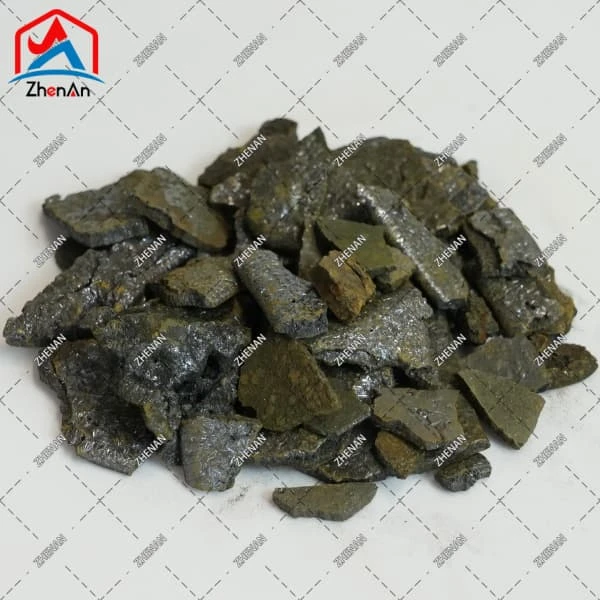
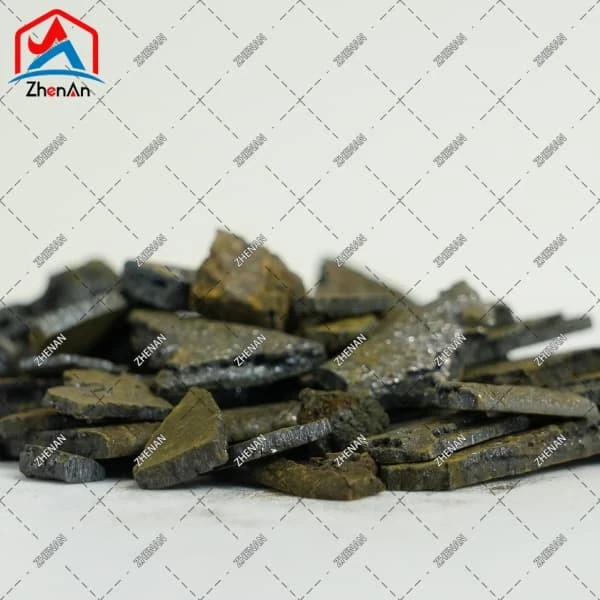
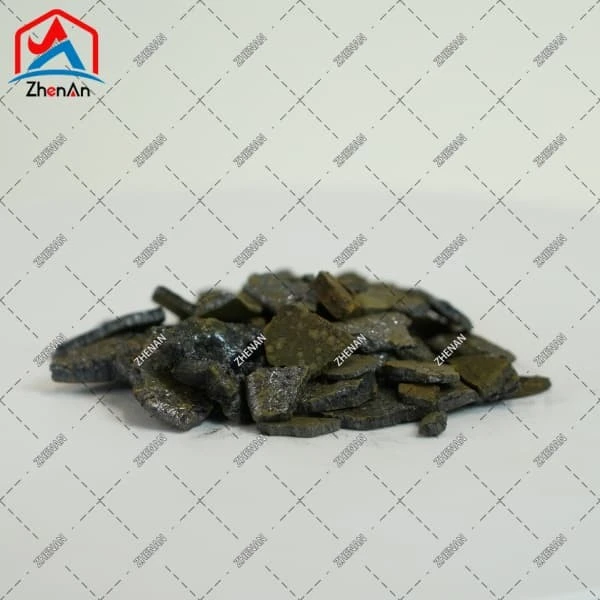
V₂O₅ flake is hygroscopic and slightly soluble; once it picks up moisture it cakes and its handled quality drops. The outer PP/paper gives mechanical strength; the inner PE liner gives the moisture barrier. We insist on a heat-sealed or taped liner, not a loose insert, for any sea shipment. Buyers who skip this to save cents per bag are the ones who file claims later.
🏷️ Labelling and documentation
- Product identity: "Vanadium Pentoxide, V₂O₅, 98% min" plus lot/batch number.
- Safety: GHS labelling, SDS, and any dangerous-goods mark per the current edition applicable to your route. We supply SDS; the current hazard classification is yours to confirm by jurisdiction and year.
- Traceability: lot number, net/gross weight, date of pack. We keep lot records; ask and we send the panel for your batch.
🚢 Palletising for a container
Bagged flake palletises to a 20 ft container at roughly 20–25 t net, depending on bag size and whether FIBCs or 25 kg bags are used. FIBCs stack fewer per container but load/unload far faster at the smelter. We match the pack to your discharge method - a buyer with a bag-breaker wants 25 kg; a FeV plant with a silo wants FIBCs.
♻️ What we will not promise
We will not certify "non-hazardous in all jurisdictions" or quote a fixed HS code. Those change. We ship to the documentation you confirm, and we hand you the SDS and lot record so your own compliance team signs off.
✅ Our packing defaults
- 98% flake → 25 kg PE-lined bags or 1 t FIBC, palletised, stretch-wrapped.
- 99% / electrolyte → drums with liner, tighter seal spec.
- Every lot carries a batch number and a CoA on request.
🌍 Export packing checklist (what we confirm before we seal)
For an export lot of vanadium pentoxide we walk a fixed list so nothing is assumed: liner integrity on every bag/FIBC, net and gross weight on the label, batch number and pack date visible, SDS and current GHS mark attached, pallets stretch-wrapped and edge-protected, and a pre-stuff photo of the container. The goal is simple - when the buyer opens the container, the material looks like it left our floor, not like it spent a monsoon at the quay. Most packing claims are not about the bag; they are about the steps someone skipped before the seal went on.
🧪 Packaging when purity is the product
For electrolyte and high-purity V₂O₅, the pack is part of the spec, not just the container. We use drums with a dedicated PE or conductive liner, double-sealed, and we avoid mixed-use FIBCs that may have carried other powders. The risk is cross-contamination of Cr, Fe, Si, Na and K - the very impurities an electrolyte buyer tests for. A drum costs more per kilo than a jumbo bag, but the rejected-lot cost is higher still. We treat catalyst and battery grades as "clean pack" by default, because for these grades the bag is the first line of quality control, not an afterthought.
📐 Stow, dimensions and the container maths
A 25 kg bag runs roughly 40–45 cm square and stacks ~40–50 bags per Euro-pallet; a 1 t FIBC is about 90–110 cm and loads fewer units but at far higher throughput. In a 20 ft dry container the practical net is 20–25 t, set by pallet footprint, stack height and the carrier's stow limit - not by the bag. We plan the stow to your discharge: bag-breaker sites get 25 kg on Euro-pallets; silo-fed plants get FIBCs on skids. The pack and the stow are one decision, and getting it wrong slows your plant as surely as getting the grade wrong.
🏷️ What the CoA panel actually shows
A Certificate of Analysis for V₂O₅ lists V₂O₅ content (98% / 99% min), moisture, and the impurity panel your grade implies - Si, Fe, P, S, Na, K, Cr, As, and rarely others. For metallurgical flake the panel is short; for electrolyte it is the whole story. We issue the CoA against the batch number on the label so a lab result and a warehouse lot are the same object. If your spec sheet asks for a test we do not run, we say so and point you to an independent lab rather than paper over the gap with a generic certificate.
♻️ Reuse, return and what we do not do
We do not take back used liners or drums for re-fill - once a chemical pack leaves our chain of custody we cannot certify its cleanliness, and re-using it for V₂O₅ risks exactly the contamination we work to prevent. New pack for every lot is the rule for purity grades; for metallurgical flake we will discuss customer-supplied FIBCs only under a written clean-status agreement. This is the unglamorous part of "packaging," and it is where cheap shortcuts turn into claims that no CoA can undo after the fact.
❓ Frequently asked questions
What package sizes are available for V₂O₅?
25 kg multi-ply paper bags with PE liner, 1,000 kg FIBCs (500/1,250 optional), and steel or fibre drums for high-purity grades. We pick the pack to match your discharge method.
Why is a PE liner necessary?
V₂O₅ flake is hygroscopic and cakes once it absorbs moisture, dropping handled quality. The liner - not the outer bag - is the moisture barrier. We use heat-sealed or taped liners for sea shipments.
How much fits in a 20 ft container?
Roughly 20–25 t net of bagged flake, depending on bag size and palletisation. FIBCs mean fewer units per container but much faster smelter unloading.
Do you provide an HS code?
We do not fix one. Vanadium pentoxide is commonly 2825.30 but classification and dangerous-goods marking vary by destination and year. Confirm the HS code and IMDG/ADR status with your own carrier and customs.
Is V₂O₅ dangerous goods for shipping?
It is regulated; the exact GHS classification and IMDG/ADR status depend on jurisdiction and edition year. We supply the SDS and current marking guidance, but your compliance team must confirm before shipment.
Can I get a Certificate of Analysis with the lot?
Yes. Every lot carries a batch number and we issue a CoA on request, including the impurity panel relevant to your grade (metallurgical or electrolyte).
📞 Tell us how you unload
Send your grade, volume and discharge method (bag-breaker vs silo). We pack vanadium pentoxide to survive the ocean and arrive clean at your gate.
Sources: Packing practice for metallurgical and electrolyte-grade V₂O₅; SDS/GHS handling per current editions (confirm by jurisdiction). HS code 2825.30 cited as commonly applied - verify for your route and year. Container weights are typical, not guaranteed; confirm against your carrier's stow limit.
Hot Tags: vanadium pentoxide packaging: bags, big-bags and what protects the material, China vanadium pentoxide packaging: bags, big-bags and what protects the material manufacturers, suppliers