


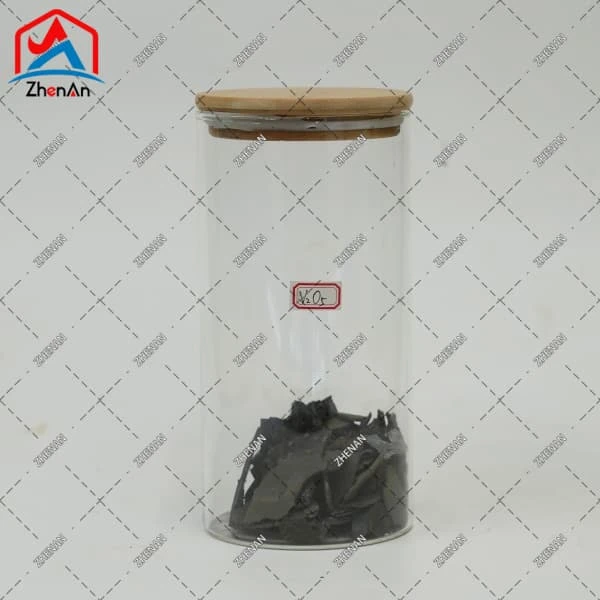
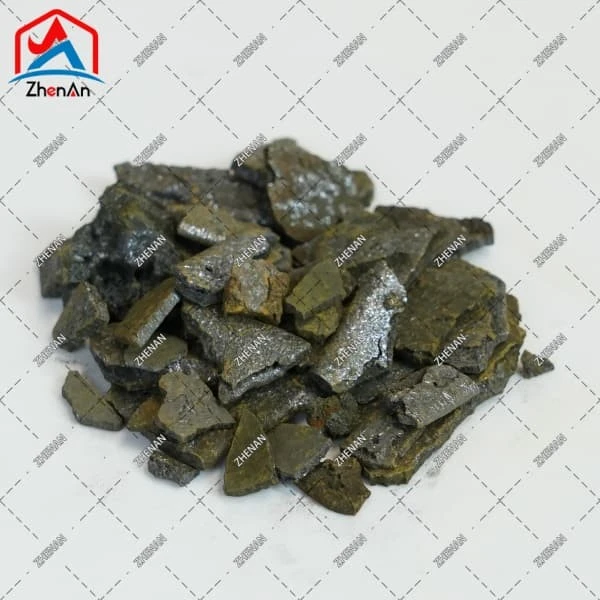
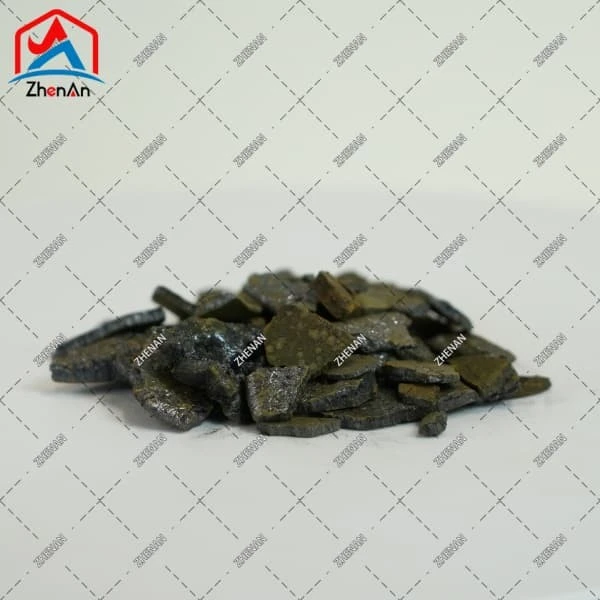
Vanadium Pentoxide Warehousing: Keeping Flake Dry, Segregated and Traceable
📅 Last reviewed: 20 September 2026. Storage is boring until a 25 t lot cakes or cross-contaminates. Then it is expensive.
TL;DR - the storage rules
- Keep it dry. V₂O₅ is hygroscopic; target a dry, covered store with low humidity and no floor contact.
- Segregate. Away from acids, reducing agents and foodstuffs - cross-contact is the classic loss event.
- Trace it. FIFO by lot, batch records, and a CoA on file. A warehouse without lot discipline is a future claim.
- We store to SDS, not to habit. The current GHS edition and your local rules set the bar - confirm both.
🌡️ Environment: dry beats cold
For vanadium pentoxide flake, the priority is low humidity and a weather-tight roof, not a specific temperature. A typical store target is a cool, dry area (often cited around 15–25 °C, relative humidity well under 60%) with the bags on pallets off the floor and away from walls for air movement. Condensation on a cold wall is how liner-exterior moisture starts; palletise and space accordingly.
🚧 Segregation: the rule that prevents claims
| Keep V₂O₅ away from | Why |
|---|---|
| Strong acids | Reactivity / fume and product damage |
| Reducing agents | Redox incompatibility |
| Food, feed, pharma | Cross-contamination, regulatory |
| Wet or leaking goods | Hygroscopic pickup, caking |
⚠️ We state "acids and reducing agents" as the standard segregation pair but do not publish an exhaustive compatible/incompatible matrix. Build your segregation plan from the current SDS and your site's chemical compatibility library - that is the document regulators and insurers look at.
📋 Lot discipline and FIFO
First-in, first-out is not optional for a material that can cake. We record every lot on receipt: batch number, net/gross weight, pack date, grade. Inbound and outbound both scan to the lot so a quality question traces to one batch, not a guessing game. If your warehouse cannot do that, the cheap storage saving is not worth it.
🚢 Holding for container shipment
If V₂O₅ sits at a port warehouse before loading, the same rules apply but the stakes rise: sea air is corrosive and humid. We keep FIBCs/bags under cover until stuffed, confirm liners intact at stuffing, and photograph the container before seal. A pre-shipment photo set has saved more disputes than any certificate.
🧯 Safety and handling
- Dust control: V₂O₅ dust is the hazard - local exhaust, PPE per SDS, no dry sweeping that re-aerosolises.
- Spill: vacuate/wet-collect into labelled containers; do not wash large amounts to drain without permits.
- Access: restricted to trained staff; SDS posted and current.
🧭 What we will not claim
We will not say "store it anywhere dry" or certify a universal compatibility list. Warehousing compliance is local - your authority's GHS edition and site rules decide. We store to SDS and hand you the lot record; your site EHS signs off.
✅ How we handle your stock
- Covered, palletised, humidity-conscious store.
- Lot-levelled FIFO with batch records and CoA on file.
- Pre-stuff photo evidence for container shipments.
🧊 Container hold: the highest-risk window
The week a vanadium pentoxide lot waits at a port warehouse is where most transit damage is born. Sea air is humid and mildly corrosive, and a liner nicked during handling becomes a moisture path within days. Our rule is boring but effective: keep it under cover until the moment of stuffing, re-check every liner at the container mouth, and shoot dated photos of the empty container, the stuffed container, and the sealed container. Those three photos close more claims than any certificate of quality, because they prove the condition at the only moment that matters - handover.
🌡️ Humidity, not temperature, is the boss
We get asked for a storage temperature; the honest answer is that relative humidity does the damage, not the thermometer. V₂O₅ flake cakes once it wicks moisture, and a cold wall in a humid store is a condensation source. Our target is a dry, ventilated area - commonly cited around 15–25 °C with RH well under 60% - with bags on pallets, off walls, so air moves and condensation cannot form. If your site cannot hold RH down, the fix is desiccation or dehumidification, not a lower setpoint. We will say that plainly rather than quote a temperature you cannot enforce, because a number on paper that the store never reaches protects nothing.
📦 Inbound inspection, before it goes on the rack
Every inbound lot is checked at the door: liner integrity, label match to the CoA, net/gross weight, and pack date. A torn liner or a missing batch number is rejected at intake, not discovered at dispatch. We log the lot to FIFO before it is racked, so the warehouse system - not a clerk's memory - decides what ships next. This step is cheap and it is the difference between a traceable store and a pile of anonymous bags; we have seen both, and only one of them survives an audit without a story.
🧾 Paper that protects the stock
Stored V₂O₅ needs the same documents as shipped V₂O₅: a current SDS, the lot's CoA, and the site's segregation plan referenced to the applicable GHS edition. Insurers and auditors ask for these first; the physical condition second. We keep the SDS and CoA on file per lot and we hand your EHS team the segregation reference so the stored material is defensible, not just dry. Compliance paperwork is part of storage, not an afterthought we tack on when a shipment goes wrong - the lot record is what turns a warehouse into evidence.
🚪 Access control and who may enter
Stored V₂O₅ is restricted to trained staff, with the SDS posted at the entrance and kept current. Visitors and untrained contractors are kept out of the racking area, both for their own exposure risk and to protect lot integrity - an unrecorded handler moving a bag is exactly how a batch goes untraceable. Access control sounds like housekeeping; in a traceability dispute it is the difference between a clean record and a shrug, and we treat it as part of storage discipline rather than a sign on a door.
❓ Frequently asked questions
What storage conditions does V₂O₅ need?
A dry, weather-tight, well-ventilated store - typically cool (around 15–25 °C) with low relative humidity, bags on pallets off the floor and away from walls. Dryness matters more than cold because the flake is hygroscopic.
What must V₂O₅ be kept away from?
Acids, reducing agents, food/feed/pharma, and anything wet or leaking. The exact compatible/incompatible matrix comes from the current SDS and your site's chemical library - we do not publish a fixed one.
Why does lot traceability matter so much?
Because caking or contamination claims trace to a single batch. FIFO by lot with batch records and a CoA lets a quality question point to one lot instead of a warehouse-wide guess - and that is what insurers and buyers expect.
How should it be stored before container loading?
Under cover until stuffed, liners checked intact at stuffing, and the container photographed before seal. Sea air is humid and corrosive; pre-shipment photos prevent most transit disputes.
Is V₂O₅ dust dangerous?
The dust is the main hazard. Control it with local exhaust and PPE per the SDS; avoid dry sweeping that re-aerosolises. Spills should be wet-collected or vacuumed into labelled containers, not hosed to drain without permits.
Do you store to a fixed global standard?
No - warehousing compliance is local. We store to the current SDS and your site rules; your EHS team confirms. We supply lot records and CoA so they can.
📞 Plan your storage with us
Tell us your grade, volume and discharge plan. We store vanadium pentoxide dry, segregated and lot-traceable - and hand you the evidence your EHS team needs.
Sources: Standard hygroscopic-material storage practice; SDS/GHS handling per current editions (confirm by jurisdiction and year). Temperature/humidity ranges are typical guidance, not a contractual spec - verify against your site EHS standard.
Hot Tags: vanadium pentoxide warehousing: dry, segregated and traceable, China vanadium pentoxide warehousing: dry, segregated and traceable manufacturers, suppliers