



Vanadium Pentoxide Applications: From Rebar to Long-Duration Batteries
📅 Last reviewed: 20 September 2026. This page is about where V₂O₅ goes, not where it is mined.
TL;DR - the demand map
- Steel alloying dominates: ~90% of vanadium ends in steel; V₂O₅ is the feed to make ferrovanadium and vanadium-nitrogen (VN) alloys (Critical & Strategic Metals Hub).
- One molecule, two metals: V₂O₅ is 56.01% vanadium. A tonne of 98% flake carries ~549 kg of contained V - the number that matters for any alloy recipe.
- Storage is the frontier: VRFB electrolyte is essentially dissolved V₂O₅; ~5–6 t V₂O₅ per MWh.
- We do not recommend a grade; we tell you what each application actually needs.
🔩 Steel: the quiet majority
When you stand in a high-rise or drive over a cable-stayed bridge, you are leaning on vanadium. Vanadium pentoxide is reduced and alloyed into steel to raise strength-to-weight and toughness. Three steel uses matter most:
- Rebar / construction steel: micro-alloyed rebar uses grams of V per tonne of steel, but the tonnage is enormous - this is the volume driver.
- HSLA (high-strength low-alloy) plate: used in trucks, pipelines, offshore structure; higher V intensity than rebar.
- Tool and specialty steels: drills, dies, springs - smaller volume, higher spec, less price-sensitive.
The conversion chain: V₂O₅ flake → ferrovanadium (FeV80 ~80% V) or VN → added to the melt. At 98% V₂O₅, ~1.53 t of flake (with ~95% recovery) makes a tonne of FeV80. We state that ratio because buyers often mis-size their V₂O₅ order against an FeV target.
⚡ Vanadium redox flow batteries (VRFB)
Here V₂O₅ is the electrolyte, not a coating. Both half-cells use vanadium ions in different oxidation states, so the "fuel" is the metal itself - no cross-contamination, long cycle life, non-flammable. A typical 1.6 mol/L electrolyte at ~25 Wh/L means roughly 5–6 tonnes of V₂O₅ per MWh of storage. That is why a 100 MW / 400 MWh station (like the Leshan project cited in Chinese press) implies thousands of tonnes of V₂O₅ locked up for the system's life.
For battery makers we stress one thing: electrolyte-grade V₂O₅ needs tighter impurity control (especially Cr, Fe, Si, Na, K) than metallurgical flake. Do not assume 98% flake qualifies. Ask for the electrolyte spec sheet.
🧪 Chemicals and catalysts
V₂O₅ is a workhorse oxidation catalyst: sulfuric acid production (the contact process), phthalic anhydride, maleic anhydride. It also appears in ceramic and glass frits as a colouring/fluxing agent, and in some ammonium metavanadate precursors. Volumes are small versus steel but the purity bar is higher and the buyer is less price-driven.
🛡️ Titanium and niche alloys
Vanadium stabilises beta-phase in Ti-6Al-4V and similar aerospace alloys. This is a low-volume, high-value use - relevant to mention because it is one place where a "vanadium shortage" narrative gets overstated; the tonnage is tiny next to steel.
📐 The conversion table buyers actually use
| You want | V₂O₅ needed | Basis |
|---|---|---|
| 1 t contained vanadium | 1.786 t V₂O₅ (100%) | 1 ÷ 0.5601 |
| 1 t FeV80 (80% V) | ~1.53 t 98% flake | 0.80 ÷ (0.98 × 0.95 recovery) |
| 1 MWh VRFB | ~5–6 t V₂O₅ | 1.6 mol/L, ~25 Wh/L |
⚠️ These are engineering estimates with recovery and concentration rounded. Treat them as planning figures, confirm against your own process mass balance before contracting volume.
🧭 What we will not claim
We will not tell you "vanadium is the new lithium." It is not - the demand base is steel, and steel cycles, not battery hype, set the price. We will tell you which grade fits your process and what purity your application truly requires.
✅ Grades we handle
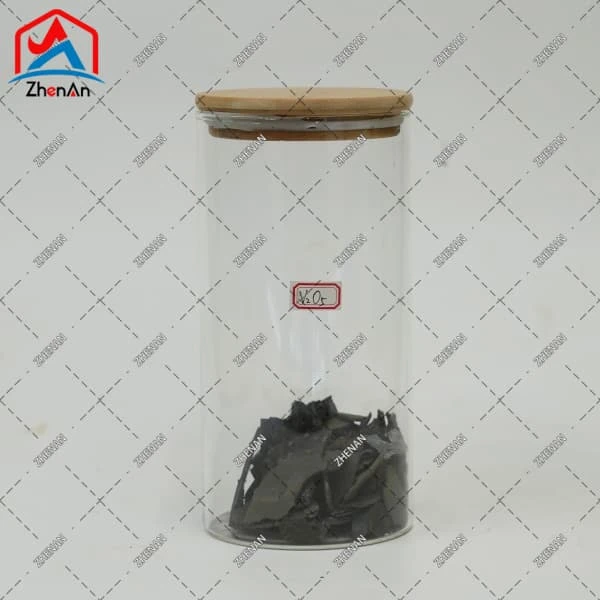
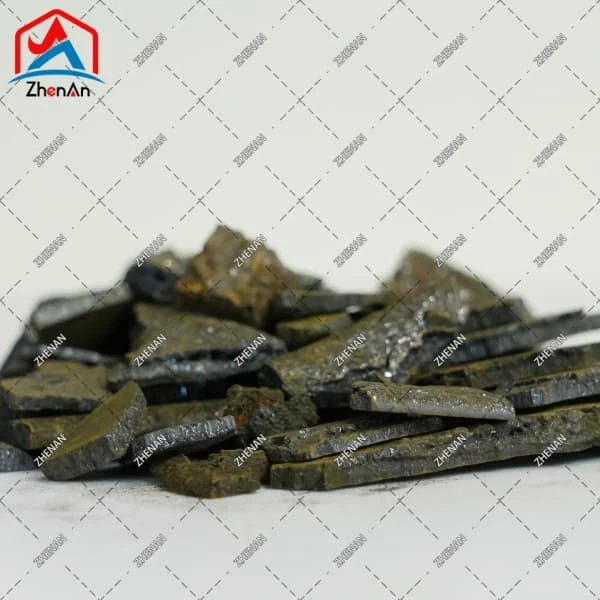
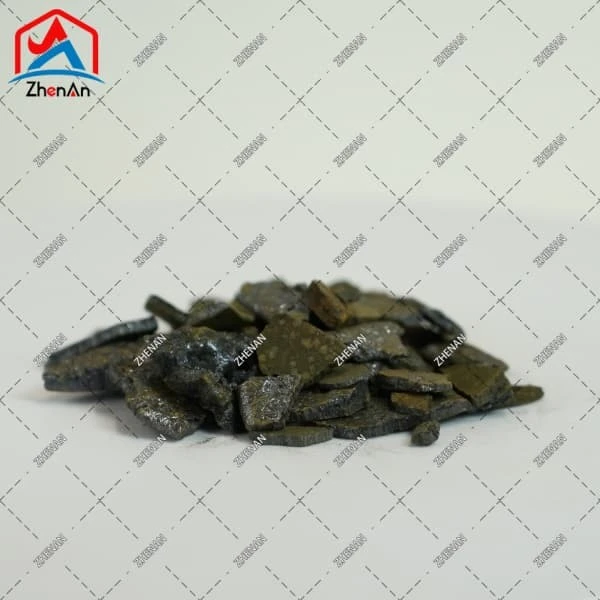
- 98% flake - metallurgical (FeV, VN).
- 99% flake / powder - higher-purity metallurgical and some chemical uses.
- Electrolyte-grade - on request, with impurity panel.
🎨 Colorants, glass and ceramics
Beyond steel and batteries, V₂O₅ is a colouring and fluxing agent in ceramic frits, glass and some enamels - vanadium gives the green and yellow hues in certain tiles and glazes, and lowers melt viscosity as a flux. Volumes here are small against steel, but the purity expectation is high and the buyer is quality-driven, not price-driven. We mention it because it is one of the places where 99% flake or a dedicated chemical grade earns its premium, and where a metallurgical-grade spec sheet would not answer the question a ceramicist is actually asking.
🔋 Why a VRFB out-runs lithium on duration
The redox-flow design stores energy in externally housed electrolyte, so power and capacity scale independently: add more electrolyte tanks and you extend duration without adding cells. That is why VRFB suits 4–12 hour (and longer) stationary storage where lithium's cost climbs with each hour. The trade-off is lower energy density and higher upfront electrolyte cost - and that electrolyte cost is, at root, a V₂O₅ cost. We spell this out so a battery buyer sizes the vanadium purchase to the desired discharge hours, not to a generic "1 MWh" label that hides the real material need.
⚗️ Sulfur removal and other catalysts
In refining, vanadium catalysts handle selective oxidation and desulfurisation steps beyond the classic contact-process sulfuric acid role - examples include maleic anhydride and phthalic anhydride routes. The common thread is vanadium's multiple stable oxidation states, which let it shuttle electrons in oxidation reactions. These uses are niche by tonnage but strategic, and they tend to specify narrow impurity bands that metallurgical flake would not meet. We treat catalyst-grade enquiries separately from FeV enquiries for exactly that reason, and we ask for the reaction before we name a grade.
🧩 Choosing by application, not by price
The single mistake we see is specifying "V₂O₅" without the application. A rebar mill wants 98% flake at the right recovery; a battery maker wants electrolyte grade with a Cr/Fe/Si/Na/K panel; a catalyst user wants a different impurity set again; a ceramicist may want a specific particle size. Grade, purity panel and particle form are application-specific, and paying for the wrong one wastes money or fails the process. Tell us what you make and we point to the spec that fits, not the most expensive one sitting on the shelf.
❓ Frequently asked questions
What is V₂O₅ mostly used for?
About 90% goes into steel alloying (rebar, HSLA plate, tool steels) via ferrovanadium and vanadium-nitrogen alloys. The rest splits between VRFB storage, chemical catalysts, and titanium alloys.
How much vanadium is in a tonne of V₂O₅?
V₂O₅ is 56.01% vanadium by mass. A tonne of 98% flake therefore carries ~549 kg of contained V. Use 1 ÷ 0.5601 = 1.786 t V₂O₅ per tonne of contained vanadium.
Can battery-grade use the same flake as steel-grade?
Usually not without checking. Electrolyte needs tighter impurity limits (Cr, Fe, Si, Na, K) than metallurgical 98% flake. Always request the electrolyte spec sheet before assuming interchangeability.
How much V₂O₅ does a VRFB need per MWh?
Roughly 5–6 tonnes at ~1.6 mol/L and ~25 Wh/L. A 100 MW / 400 MWh station therefore locks in several thousand tonnes of V₂O₅ for its operating life.
Why is vanadium added to steel?
It raises strength-to-weight and toughness at low addition rates, letting rebar and plate meet strength specs with less material. That is why construction standards - not battery headlines - drive vanadium demand.
What grade should I specify?
98% flake for ferrovanadium/VN; 99% or electrolyte-grade where purity matters. Tell us your process and we will point to the right spec rather than the most expensive one.
📞 Specify the right grade with us
Send us your application, target alloy or electrolyte spec, and volume. We will match a vanadium pentoxide grade and explain the purity trade-off in plain terms.
Sources: Critical & Strategic Metals Hub (vanadium supply chain); USGS MCS 2026 for context; VRFB figures from Earth Energy Log (Apr 2026) and published project descriptions (Leshan 100 MW/400 MWh). Conversion ratios are engineering estimates - verify against your process.
Hot Tags: vanadium pentoxide applications: from rebar to long-duration batteries, China vanadium pentoxide applications: from rebar to long-duration batteries manufacturers, suppliers