




📦 Ferro Vanadium Packaging: How FeV Is Packed for Export
Last updated: September 2026 | Based on GB/T 4139-2012, GB/T 3650, and global ferroalloy logistics practice
A mill in Houston orders 100 tonnes of FeV50-A from a Chinese supplier. The cargo must survive a 35-day ocean voyage through the tropics, clear U.S. Customs without detention, and arrive dry enough to feed directly into a 150-tonne EAF heat. The difference between a smooth arrival and a moisture-damaged rejection often comes down to packaging choices made before the container seal is applied. This page walks through the real-world packaging, labeling, and transport decisions that govern ferro vanadium exports.
🌊 The Export Journey: From Furnace to Foundry
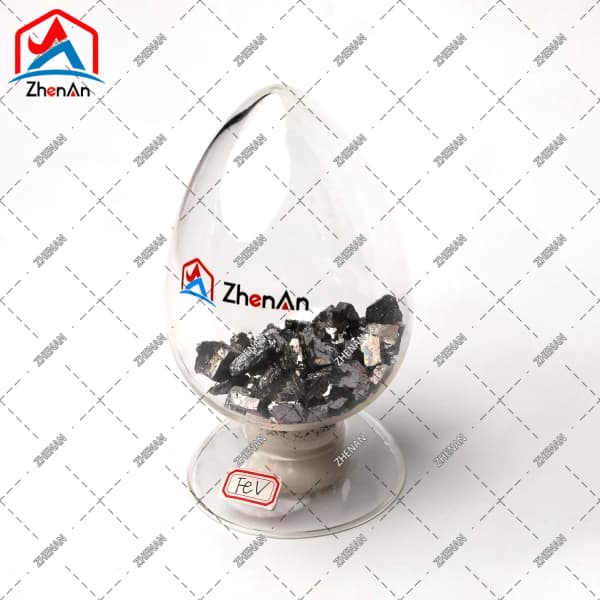
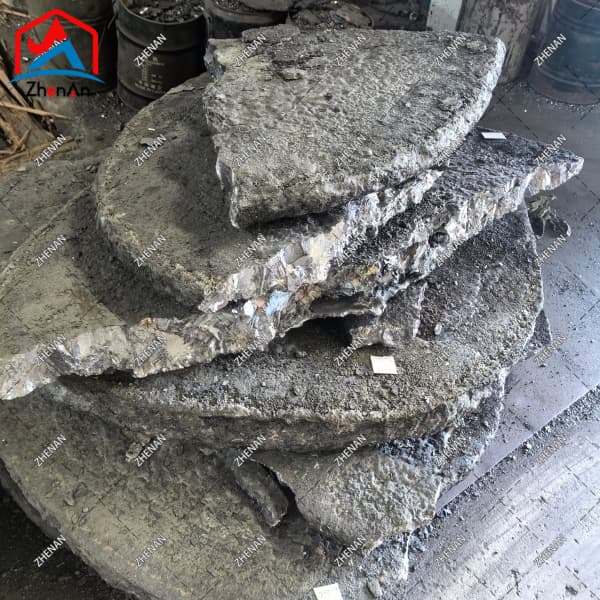
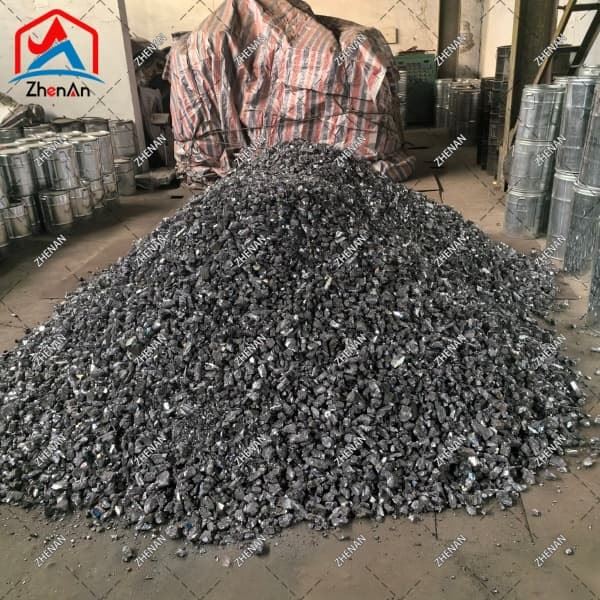
Ferro vanadium leaves the smelter as metallic lumps or granules, typically in the 10–50 mm size range (per GB/T 4139-2012, grain-size groups 2 and 3). Before it reaches the overseas buyer, it passes through four logistics stages: domestic trucking to port, port consolidation, ocean freight, and final-mile delivery. Each stage imposes different mechanical, climatic, and regulatory stresses on the packaging.
Unlike oxidizing chemicals such as V₂O₅ flakes, solid ferro vanadium lumps are not classified as dangerous goods under IMDG or DOT when shipped in consolidated form. However, ferro vanadium dust or powder falls under UN 3285 (Vanadium compound, n.o.s.; Hazard Class 6.1 or 4.1 depending on jurisdiction and particle size) and requires stricter packaging, labeling, and segregation. Most steel mills order lump or granular FeV precisely to avoid this regulatory burden.
🛢️ Steel Drum Packaging: Maximum Protection
Chinese standard GB/T 4139-2012 mandates that FeV in grain-size groups 2 and 3 shall be packed in iron drums (steel drums). The standard recognizes three net-weight options: 50 kg, 100 kg, and 250 kg per drum. In practice, the 250 kg drum is the export default for lump FeV because it balances handling efficiency with drum cost.
Each drum is constructed from cold-rolled steel with a rolled rim and sealing lid. Reputable suppliers add an inner polyethylene liner or moisture-proof paper sleeve to create a humidity barrier. The drum exterior is typically painted with anti-corrosion coating and labeled with product name, batch number, net weight, and supplier identification. For palletized shipments, four 250 kg drums (1,000 kg total) are shrink-wrapped onto a heat-treated wooden pallet, creating a stable forklift unit.
🎒 Ton Bags (Jumbo Bags): Volume & Efficiency
For buyers who operate large EAF or BOF shops and have bulk-handling infrastructure, 1,000 kg Flexible Intermediate Bulk Containers (FIBCs)-commonly called ton bags or jumbo bags-are the dominant packaging choice. Ton bags are woven polypropylene with lifting loops and discharge spouts, making them compatible with overhead cranes and forklift attachments.
The critical detail is the inner liner. A standard ton bag without a liner offers almost no moisture protection. For ferro vanadium exports, suppliers should specify a PE inner liner bag heat-sealed inside the woven PP outer shell. This dual-layer construction blocks humidity during transpacific or transoceanic voyages where container interiors can experience temperature swings of 30 °C or more, generating condensation on container walls and ceilings.
Ton bags also allow higher container utilization. A 20-foot container can typically load 20–22 tonnes of FeV in ton bags, compared to 18–20 tonnes in drums. The 10–15% payload advantage directly reduces per-tonne freight cost, which matters on long routes such as China to Europe or South America.
| Packaging Type | Net Weight | 20ft Container Load | Moisture Protection | Best For |
|---|---|---|---|---|
| Steel drum (small) | 50 kg | ~18 t | Excellent (sealed metal) | Lab samples, small batches |
| Steel drum (medium) | 100 kg | ~19 t | Excellent | Precision alloy shops |
| Steel drum (large) | 250 kg | 18–20 t | Excellent + pallet option | High-value FeV80 exports |
| Ton bag without liner | 1,000 kg | 20–22 t | Poor | Domestic trucking only |
| Ton bag with PE liner | 1,000 kg | 20–22 t | Good | Standard export option |
| Bulk break-bulk | Loose | Up to vessel capacity | Minimal | 500+ t contracts |
🚢 Bulk Break-Bulk Shipment: The Large-Contract Option
When a single purchase order exceeds several hundred tonnes, break-bulk shipment becomes economically viable. The ferro vanadium is loaded directly into the vessel hold-either loose or in bulk bags-without individual containerization. This eliminates container rental and stuffing costs, reducing the ocean freight rate per tonne by 15–25% on major routes.
Break-bulk is not without drawbacks. The cargo is exposed to ambient humidity and salt air during port transfers. Buyers must accept that surface oxidation of the outer layer is likely, and they should contract for a slightly higher overage (typically 1–2%) to compensate for hold residue and moisture absorption. Break-bulk also requires longer lead times because vessel scheduling is less frequent than container liner services, and discharge at the destination port needs dedicated grab cranes or bulk unloaders.
🛡️ Moisture & Oxidation Protection Measures
Ferro vanadium is far less moisture-sensitive than V₂O₅ flakes, but prolonged exposure to humid environments still causes surface oxidation. Oxide layers increase slag volume during steelmaking and can alter the effective vanadium yield. Suppliers and freight forwarders employ a layered defense strategy:
- Inner PE liner: A 0.08–0.12 mm polyethylene bag inside drums or ton bags creates the primary vapor barrier. The liner is heat-sealed or twist-tied after filling.
- Pallet stretch film: When drums or bags are palletized, the entire pallet is wrapped with 5–7 layers of LLDPE stretch film. This prevents rain exposure during outdoor port staging and reduces condensation on the packaging surface.
- Container desiccants: Calcium chloride or clay desiccant bags (typically 2–4 kg per 20-foot container) are hung from container lashing points. These absorb humidity that enters during door openings or through minor gasket leaks.
- Container floor protection: A layer of heavy-duty PE sheeting is laid on the container floor before loading. If condensation pools on the floor during voyage, the sheeting prevents direct contact with the lowest bags or drum pallets.
- Top covering: After the final pallet or bag layer is loaded, a tarpaulin or additional PE sheet is draped over the cargo before closing the container doors. This catches any condensation dripping from the container ceiling.
📋 UN Codes, IMDG Regulations & Export Documentation
For lump or granular ferro vanadium, the shipping classification is straightforward: it is not regulated as dangerous goods under IMDG, DOT, or IATA when shipped in solid consolidated form. This is confirmed by the U.S. Vanadium SDS for 60% and 80% ferro vanadium, which lists "Not Regulated" under transport sections for all three modes.
The situation changes if the cargo includes significant fines or powder. Ferro vanadium dust (particle size below roughly 0.5 mm) may be classified as:
- UN 3285 - Vanadium compound, n.o.s.; Hazard Class 6.1 (toxic substance); Packing Group II
- Some jurisdictions classify fine metal powder as Class 4.1 (flammable solid), particularly under the entry "Metal powder, flammable, n.o.s."
Exporters should consult their classification specialist and provide a Material Safety Data Sheet (SDS) with the proper shipping name, UN number, and hazard class clearly stated. Misclassification at origin can trigger customs detention, fumigation orders, or rejection at destination.
Standard export documentation for FeV shipments includes:
- Commercial Invoice and Packing List (harmonized code 7202.92)
- Certificate of Origin (COO)
- Certificate of Analysis (COA) per batch, showing V, C, Si, P, S, Al, Mn
- MSDS / SDS in the language of the destination country
- SGS or third-party inspection report (if contracted)
- Mill Test Certificate (MTC) with chemical and physical data
📐 Container Loading Guidelines
Experienced freight forwarders follow specific loading patterns for ferroalloys to maximize space utilization while minimizing damage:
- Weight distribution: FeV density is approximately 6.0–7.2 g/cm³. A 20-foot container loaded to 22 tonnes with FeV ton bags is well within the container's rated payload (typically 28 tonnes), but the center of gravity must remain low. Heaviest bags are placed on the floor, lighter bags on top.
- Lashing and chocking: Ton bags are secured with polyester webbing straps to container lashing rings. Wooden chocks or inflatable dunnage bags fill gaps between pallets to prevent cargo shift during rolling at sea.
- Door protection: A plywood or cardboard barrier is installed behind the container doors. This prevents bags from pressing against the door seals and reduces the risk of spillage if the doors are opened roughly.
- Drum orientation: When loading 250 kg drums, they are placed upright (lid on top) and secured with timber bracing. Inverting drums or laying them horizontally risks seam leakage and lid seal failure.
❓ Frequently Asked Questions
What is the standard export packaging for FeV50 lump?
The most common export configuration is 1,000 kg ton bags with an inner PE liner, loaded 20–22 tonnes per 20-foot container. For premium grades such as FeV80-A, many buyers specify 250 kg steel drums on pallets for maximum moisture and mechanical protection.
Is ferro vanadium classified as dangerous goods for shipping?
Lump and granular FeV are not regulated as dangerous goods under IMDG, DOT, or IATA. However, ferro vanadium dust or fine powder may fall under UN 3285 (Class 6.1 or 4.1, Packing Group II) depending on particle size and national classification rules. Always verify with the supplier's SDS.
How many tonnes fit in a 20-foot container?
For FeV in ton bags: 20–22 tonnes. For 250 kg drums on pallets: 18–20 tonnes. A 40-foot container is used for mixed cargo or lighter loads where volumetric capacity rather than weight is the limiting factor.
What documents are required for customs clearance?
Minimum documentation includes the commercial invoice, packing list, certificate of origin, certificate of analysis (COA), and SDS/MSDS. Many buyers also request an SGS or BV inspection certificate and a mill test certificate (MTC).
Can packaging be customized?
Yes. Most suppliers accommodate custom requests such as 25 kg bags for laboratory use, 5 kg vacuum-sealed pouches for powder metallurgy, or private-label branding on drums and bags. Custom packaging usually requires a minimum order quantity and extended lead time.
How is moisture damage prevented during long sea voyages?
A three-layer approach is standard: (1) inner PE liner inside each bag or drum, (2) stretch film around each pallet, and (3) container desiccants plus floor sheeting inside the shipping container. Together, these measures keep the cargo dry even on 40-day routes through tropical humidity.
📩 Need Packaging Advice or a Shipping Quote?
We supply FeV40–FeV80 in steel drums, ton bags, and bulk shipments worldwide. Our logistics team can recommend the optimal packaging and container configuration for your port, warehouse equipment, and local regulations. COA, SDS, and SGS inspection reports are provided with every shipment.
Contact Us to discuss your next order and receive a detailed packing plan and freight estimate.
Hot Tags: ferro vanadium packaging: how fev is packed for export, China ferro vanadium packaging: how fev is packed for export manufacturers, suppliers