


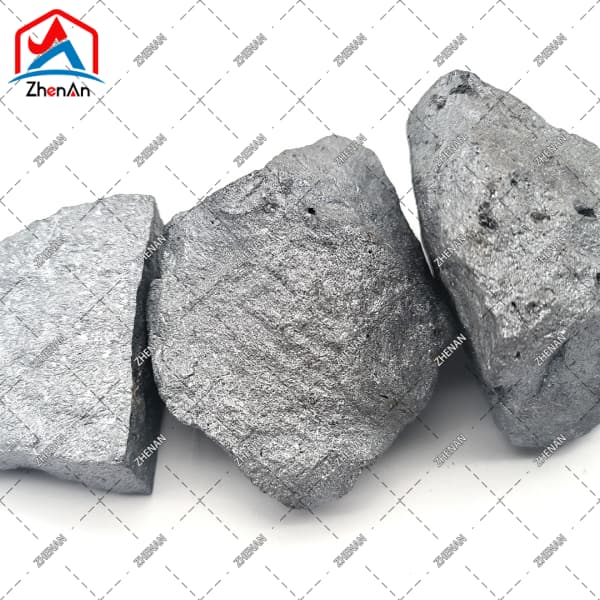


📦 Ferrosilicon Packaging: A Dockside Dispatch Manual for Exporters & Buyers
Packaging is where many ferrosilicon shipments fail before they ever reach the melt shop. A torn jumbo bag, a container floor wet from a previous cargo, or a missing weathering certificate can turn a profitable trade into a claims nightmare. Ferrosilicon is also a regulated dangerous good: UN 1408 (Class 4.3, subsidiary risk 6.1, Packing Group III) when shipped in bulk with 30–90% silicon. This manual covers the packaging options, container math, moisture defense, and documentation chain that keep FeSi 72/75 shipments compliant and dry from mill gate to destination port.
📋 Section 1: Packaging Options by Trade Lane
Option A - 1 MT Jumbo Bags (FIBC)
The default choice for bulk ferrosilicon exports. A standard 1 metric tonne FIBC (Flexible Intermediate Bulk Container) is woven from polypropylene, rated for 1,000–1,500 kg safe working load, and equipped with four lifting loops for forklift handling. For FeSi 75 lump (10–50 mm), one 20-foot standard container holds roughly 18 bags (18 tonnes net). For finer grades or denser packing, 20–22 tonnes can be achieved.
Key specification: request an inner PE liner or aluminum-foil liner when shipping to humid destinations (Southeast Asia, coastal regions during monsoon). The liner adds roughly $2–4 per bag but can prevent moisture-related surface oxidation that would otherwise trigger quality claims. Bags should be labeled with product name, grade, net/gross weight, batch number, country of origin, and handling marks.
Option B - 25 kg Small Bags on Pallets
Used when the buyer operates a distributor network or an internal warehouse system where forklift access is limited. Twenty-five kilogram woven PP bags are stacked on wooden or plastic pallets (typically 40 bags per pallet = 1 MT), then stretch-wrapped and strapped. A 20-foot container accommodates roughly 18 MT of palletized cargo, less than loose jumbo bags because pallet volume consumes cube. The advantage is easier manual handling and lower risk of total-loss contamination if one bag ruptures.
Option C - Bulk in Open-Top Containers
For very large orders (3,000–12,000 MT), ferrosilicon can be loaded loose into bulk vessel holds or open-top containers lined with a bulk container liner. This eliminates bag cost entirely but requires pneumatic or grab unloading equipment at destination. The stowage factor for bulk FeSi 75 is 0.48–0.72 m³/tonne (IMSBC Code), meaning a capesize hold fills by weight long before it fills by volume. Briquettes are less dense, with a stowage factor of 0.65–0.90 m³/tonne.
🚢 Packaging Comparison Matrix
| Format | Unit Weight | 20' Container Load | Best For | Relative Cost |
|---|---|---|---|---|
| 1 MT FIBC, no liner | 1,000 kg | 18–20 MT | Standard mill supply | Baseline |
| 1 MT FIBC, PE liner | 1,000 kg | 18–20 MT | Humid destinations | +2–4 $/bag |
| 25 kg bags on pallets | 25 kg | 16–18 MT | Distributor channels | +15–25 % |
| Bulk in container | Loose | 20–21 MT | Large-volume buyers | −5–10 % |
| Iron drums | 100–250 kg | Varies | Specialty / lab samples | +40–60 % |
⚖️ Section 2: Container Loading Math
Ferrosilicon is an extremely heavy cargo. With a bulk density of 1,389–2,083 kg/m³, a 20-foot container hits its maximum payload (typically 21,500–28,000 kg depending on chassis and road limits) while using only 40–50% of its cubic capacity. This is the opposite of lightweight consumer goods, where containers cube out before they weigh out. Exporters must verify the tare weight of the chosen container and confirm that the sum of cargo plus bag weight stays within the container's rated maximum gross weight.
📐 Loading Calculation for FeSi 75 Lump in 1 MT FIBC
Stowage tip: Because ferrosilicon is dense, point-loading from a single stack of bags can overstresse the container floor. Bags should be distributed evenly across the floor, not pyramided in the center. For bulk vessel shipments, the IMSBC Code explicitly warns that tank tops may be overstressed unless cargo is spread to equalize weight distribution.
☔ Section 3: Moisture Defense & Contamination Control
Moisture is the single biggest enemy of ferrosilicon in transit. When FeSi with 30–75% silicon contacts water, it releases flammable hydrogen gas and toxic phosphine (PH₃) and arsine (AsH₃). The reaction is exothermic and can ignite the hydrogen. For packaged ferrosilicon, the risk is lower than for bulk cargo, but a split bag on a wet container floor can still generate enough gas to create an explosive atmosphere.
Best-practice moisture defense includes:
- Pre-loading container inspection: Check for holes, rust, and previous cargo residue. A container that carried fertilizer or chemicals can contaminate ferrosilicon with fatal consequences for steel chemistry.
- Container desiccants: Place 2–4 kg of calcium chloride desiccant bags on the floor and suspend them from lashing rings for voyages exceeding 21 days or routes through the tropics.
- Inner liners: PE or aluminum-foil liners inside FIBCs block vapor transmission. Aluminum liners are overkill for dry climates but justified for monsoon-season shipments to India or Southeast Asia.
- Loading during precipitation: Under IMSBC rules, bulk ferrosilicon must not be loaded during rain. Packaged ferrosilicon should follow the same discipline: close container doors during rain, and never stage bags on wet asphalt.
🏷️ Section 4: Dangerous Goods Classification & Documentation
Ferrosilicon with 30% or more but less than 90% silicon is classified under UN 1408 (Ferrosilicon) when transported in bulk. Under the IMDG Code, it carries Class 4.3 (Substances which in contact with water emit flammable gases) and subsidiary risk 6.1 (Toxic). Packing Group III applies. For packaged ferrosilicon in bags, the dangerous goods classification may not always be mandatory depending on national derogations, but carriers increasingly require SDS and dangerous goods notes regardless.
The IMSBC Code (mandatory under SOLAS Chapter VI) requires the following for bulk shipments:
- A weathering certificate from the manufacturer or shipper, stating the cargo was stored under cover but exposed to dry weather for not less than three days prior to shipment.
- Continuous mechanical ventilation of cargo holds during voyage.
- Certified safe gas detectors for hydrogen, phosphine, and arsine on board.
- Regular gas concentration measurements recorded and kept on board.
- Segregation from foodstuffs and all Class 8 liquids.
For containerized bagged shipments, the documentation package typically includes:
- Commercial invoice and packing list
- Certificate of Analysis (COA) showing Si, Al, C, P, S, and sizing
- Material Safety Data Sheet (SDS)
- Certificate of Origin
- Loading photos (container condition, bag condition, sealing)
- Bill of Lading
📋 Section 5: Pre-Shipment Checklist for Buyers
Before confirming a shipment, buyers should verify the following to prevent disputes:
- Packaging spec confirmed: Bag type, liner presence, pallet or loose, label content.
- Container inspection report: Clean, dry, structurally sound, no holes or odor from previous cargo.
- Loading supervision: Photos of bag condition, stacking pattern, container number, seal number.
- COA alignment: Batch/lot number on COA matches batch number on bag labels.
- Weight verification: Optional third-party weighing at port to confirm net weight.
- Seal integrity: High-security bolt seal applied and seal number recorded on B/L.
❓ Frequently Asked Questions
What is the standard export packaging for ferrosilicon?
The industry standard is 1 metric tonne FIBC jumbo bags, loaded loose into 20-foot containers at 18–20 tonnes net per container. For buyers with smaller consumption or warehouse pallet racking, 25 kg woven PP bags on 1 MT pallets are common. Custom packaging (iron drums, double-layer bags, vacuum-sealed liners) is available by agreement for orders above 300 tonnes.
Why is ferrosilicon classified as dangerous goods under UN 1408?
Ferrosilicon with 30–90% silicon reacts with water or moisture to release flammable hydrogen gas and toxic phosphine (PH₃) and arsine (AsH₃). In enclosed spaces such as ship holds, hydrogen can accumulate to explosive concentrations. This triggers Class 4.3 (dangerous when wet) and subsidiary risk 6.1 (toxic) under the IMDG Code and UN Recommendations on the Transport of Dangerous Goods.
How many tonnes fit in a 20-foot container?
A 20-foot standard container typically carries 18–20 tonnes of ferrosilicon in 1 MT jumbo bags, and up to 20–21 tonnes when loaded bulk without bags. The limit is weight, not volume, because ferrosilicon bulk density (1,389–2,083 kg/m³) is roughly triple that of grain. A 40-foot high-cube container can take 25–27 tonnes of palletized small bags.
Are inner liners necessary for every shipment?
No. Liners are essential for shipments to humid tropical destinations or during monsoon seasons. For standard dry-season routes to Europe or the Middle East, a standard woven PP FIBC without liner is usually sufficient. If the cargo will sit in port storage for more than 30 days before customs clearance, a PE liner is cheap insurance against moisture absorption.
What documents are required for ferrosilicon export?
At minimum: commercial invoice, packing list, Certificate of Analysis (COA), Material Safety Data Sheet (SDS), Certificate of Origin, and Bill of Lading. For bulk shipments, a weathering certificate (per IMSBC Code) and dangerous goods declaration are mandatory. Buyers should confirm specific documentation needs with their customs broker before shipment.
Can ferrosilicon be shipped with other ferroalloys in the same container?
Generally yes for packaged ferrosilicon in separate bags, provided there is no risk of cross-contamination. However, ferrosilicon must be segregated from foodstuffs and Class 8 liquids (acids, bases) per IMSBC and IMDG rules. Mixing with oxidizing agents or materials that could introduce moisture is prohibited. When in doubt, dedicate the container to ferrosilicon only.
📞 Need Export-Ready Packaging for Your Next Shipment?
We coordinate FIBC sourcing, container loading supervision, and full documentation for FeSi 72/75 exports from Tianjin, Qingdao, and Dalian. Our standard export package includes 1 MT jumbo bags with optional PE liner, COA per batch, and loading photos. We can also arrange SGS or BV inspection at loading.
Contact us for a freight-inclusive quotation, packaging customization, or guidance on UN 1408 compliance for your trade lane.
Hot Tags: ferrosilicon packaging: export-ready solutions for drums, bags & bulk, China ferrosilicon packaging: export-ready solutions for drums, bags & bulk manufacturers, suppliers