


Applications of Vanadium Pentoxide (V₂O₅)
Where Is Vanadium Pentoxide Used?
Vanadium Pentoxide (V₂O₅) is one of the most versatile vanadium compounds in modern industry. Thanks to its excellent oxidation properties, catalytic activity, thermal stability, and electrochemical performance, it is used across a wide range of industries-from traditional steelmaking to advanced renewable energy systems.
Today, the global demand for Vanadium Pentoxide is driven by five major sectors:
- Steel & Metallurgy
- Chemical Catalysts
- Energy Storage
- Chemical Manufacturing
- Advanced Functional Materials
As countries continue investing in clean energy, infrastructure, and high-performance alloys, the application scope of Vanadium Pentoxide continues to expand.
1. Steelmaking & Metallurgy
The largest traditional application of Vanadium Pentoxide is in the steel industry.
Rather than being added directly to steel, V₂O₅ is commonly reduced to produce Ferro Vanadium (FeV) or metallic vanadium, which are then used as alloying additives.
Adding vanadium significantly improves:
- Yield strength
- Tensile strength
- Wear resistance
- Fatigue resistance
- Grain refinement
- Impact toughness
- Heat resistance
Typical steel products include:
- Rebar
- HSLA steel
- Tool steel
- Spring steel
- Pipeline steel
- Automotive steel
- Construction steel
- Railway steel
Even small additions of vanadium can achieve the desired mechanical properties, allowing manufacturers to reduce alloy consumption while maintaining or improving performance.
2. Chemical Catalysts
Vanadium Pentoxide is one of the world's most important industrial catalyst materials.
Its excellent oxidation capability enables efficient conversion reactions under relatively moderate operating conditions.
Major catalyst applications include:
- Sulfuric acid production
- Selective Catalytic Reduction (SCR)
- Petrochemical oxidation
- Organic synthesis
- Environmental treatment
- Waste gas purification
In sulfuric acid plants, Vanadium Pentoxide catalyzes the oxidation of sulfur dioxide (SO₂) into sulfur trioxide (SO₃), a key step in the contact process.
Modern catalyst formulations often combine V₂O₅ with titanium dioxide and tungsten oxide to achieve higher catalytic efficiency and longer service life.
3. Energy Storage & Batteries
One of the fastest-growing markets for Battery Grade Vanadium Pentoxide is large-scale energy storage.
The material is widely used in:
- Vanadium Redox Flow Batteries (VRFBs)
- Lithium-ion battery cathodes
- Sodium-ion battery research
- Next-generation rechargeable batteries
Among these, Vanadium Redox Flow Batteries have attracted significant attention due to their:
- Long service life
- High safety
- Independent power and energy scaling
- Deep discharge capability
- Excellent cycling stability
As renewable energy deployment accelerates, demand for High Purity Vanadium Pentoxide is expected to increase steadily.
4. Production of Vanadium Chemicals
Vanadium Pentoxide is the primary precursor for manufacturing a wide range of vanadium-based chemicals.
Typical downstream products include:
- Ammonium Metavanadate
- Sodium Vanadate
- Vanadium Trioxide
- Vanadium Tetroxide
- Vanadium Carbide
- Vanadium Nitride
- Metallic Vanadium
- High-purity Vanadium Oxides
These materials are used in metallurgy, electronics, aerospace, catalysts, and research laboratories.
5. Ceramics, Glass & Pigments
In ceramic and glass manufacturing, Vanadium Pentoxide functions as both a colorant and a functional additive.
Applications include:
- Colored glass
- Ceramic glazes
- Decorative ceramics
- Heat-resistant ceramics
- Optical materials
Depending on composition and firing conditions, V₂O₅ can produce yellow, green, blue, or brown shades while improving certain physical properties.
6. Aerospace & High-Performance Alloys
High-purity Vanadium Pentoxide also supports the production of advanced vanadium alloys used in demanding engineering environments.
Applications include:
- Aircraft components
- Jet engines
- Aerospace fasteners
- Titanium alloys
- High-temperature alloys
- Nuclear engineering materials
These alloys combine low weight with high strength, corrosion resistance, and excellent mechanical stability.
7. Emerging Applications
Researchers continue to explore new uses for Vanadium Pentoxide, including:
- Smart windows
- Electrochromic coatings
- Gas sensors
- Supercapacitors
- Photocatalysts
- Semiconductor materials
- Hydrogen production catalysts
Although many of these technologies are still under development, they highlight the growing importance of V₂O₅ in advanced materials science.
Why Demand Continues to Grow
The global demand for Vanadium Pentoxide is expected to grow steadily due to several long-term trends:
- Expansion of renewable energy infrastructure
- Increasing adoption of grid-scale energy storage
- Demand for high-strength, lightweight steels
- Stricter environmental regulations driving catalyst upgrades
- Growth in aerospace and advanced manufacturing
- Ongoing innovation in electrochemical materials
As a result, Vanadium Pentoxide is increasingly regarded as a strategic material that supports both traditional heavy industry and the transition to a low-carbon economy.
Specifications, Grades & Technical Data of Vanadium Pentoxide
Not all Vanadium Pentoxide (V₂O₅) products are the same. Depending on the intended application, manufacturers produce different grades with varying purity levels, impurity limits, particle sizes, and physical forms.
For example, Battery Grade Vanadium Pentoxide requires extremely low levels of sodium, iron, phosphorus, and other trace impurities to ensure stable electrochemical performance. In contrast, Metallurgical Grade Vanadium Pentoxide focuses on vanadium recovery, production efficiency, and cost-effectiveness for ferroalloy manufacturing.
Understanding these specifications helps buyers select the most suitable product while improving production efficiency, reducing processing costs, and ensuring consistent product quality.
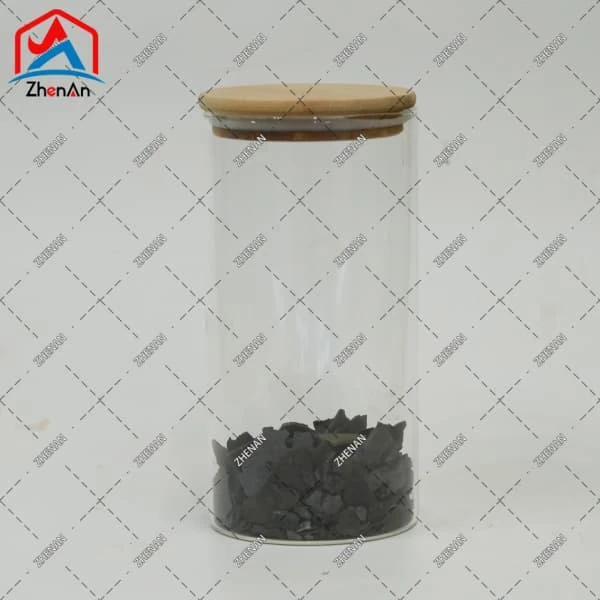
Typical Chemical Composition
The following table shows a typical specification for industrial Vanadium Pentoxide. Actual values may vary depending on customer requirements and production standards.
| Item | Typical Value |
|---|---|
| V₂O₅ Purity | ≥98.5% / ≥99.0% / ≥99.5% |
| Fe | ≤0.05% |
| SiO₂ | ≤0.05% |
| P | ≤0.01% |
| S | ≤0.02% |
| Na | ≤0.10% |
| K | ≤0.05% |
| Moisture | ≤0.30% |
| Loss on Ignition (LOI) | ≤0.50% |
Available Product Grades
1. Metallurgical Grade Vanadium Pentoxide
Designed for:
- Ferro Vanadium production
- Steelmaking
- Alloy manufacturing
- Vanadium reduction processes
Key characteristics:
- High vanadium recovery
- Cost-effective production
- Stable chemical composition
- Suitable for large-scale smelting
2. Catalyst Grade Vanadium Pentoxide
Widely used in:
- Sulfuric acid production
- SCR catalysts
- Petrochemical catalysts
- Environmental catalysts
Key requirements:
- High catalytic activity
- Low alkali impurities
- Uniform particle size
- Stable crystal structure
3. Battery Grade Vanadium Pentoxide
Primarily used in:
- Vanadium Redox Flow Batteries (VRFB)
- Lithium battery cathode materials
- Advanced energy storage systems
- High-purity vanadium electrolytes
Typical features:
- Ultra-high purity
- Extremely low metallic impurities
- Excellent electrochemical performance
- Consistent batch quality
Particle Size Options
Particle size can significantly influence dissolution rate, reaction efficiency, and handling characteristics.
Common particle size options include:
| Product Form | Typical Size |
|---|---|
| Powder | 100–325 mesh |
| Fine Powder | D50 customized |
| Granules | 1–10 mm |
| Flakes | Customized thickness |
| Fused Pieces | 10–50 mm |
Physical Characteristics
Typical physical properties include:
| Property | Typical Value |
|---|---|
| Color | Yellow to orange-yellow |
| Shape | Powder, flakes, granules, fused pieces |
| Odor | Odorless |
| Bulk Density | Customized according to grade |
| Moisture | Low |
| Storage Stability | Excellent under dry conditions |
How to Choose the Right Grade?
Choosing the appropriate Vanadium Pentoxide depends on several factors:
- Required purity level
- Final application
- Production process
- Impurity tolerance
- Particle size requirements
- Cost considerations
- International quality standards
Working with an experienced Vanadium Pentoxide Manufacturer helps ensure that the selected grade matches the technical and commercial requirements of each project.
Quality Assurance & Testing
To ensure consistent quality, reputable manufacturers typically perform:
- Chemical composition analysis
- ICP-OES or XRF testing
- Particle size analysis
- Moisture determination
- Bulk density testing
- Batch traceability
- Certificate of Analysis (COA)
- Third-party inspection upon request
Frequently Requested Customization
Many international buyers require customized specifications, including:
- Higher V₂O₅ purity
- Lower sodium or phosphorus content
- Custom particle size distribution
- Special packaging
- OEM labeling
- Tailored technical documentation
Custom production enables manufacturers to meet the specific requirements of steel mills, catalyst producers, battery manufacturers, and chemical companies.