


What Is Metal Silicon?

Metal Silicon, also known as Silicon Metal, Industrial Silicon, or Metallurgical Silicon, is a high-purity industrial material produced by reducing quartz (SiO₂) with carbonaceous reducing agents in a submerged arc furnace. Depending on the production grade, its silicon (Si) content generally ranges from 98% to more than 99.9%, while impurities such as iron (Fe), aluminum (Al), and calcium (Ca) are strictly controlled to meet different industrial requirements.
Unlike Ferrosilicon, which contains a significant amount of iron, Metal Silicon consists almost entirely of elemental silicon. This higher purity allows it to serve as a critical raw material for industries that require precise chemical composition and consistent physical properties.
Today, Metal Silicon is recognized as one of the most important industrial materials worldwide. It supports a wide range of sectors, including aluminum alloy manufacturing, silicone production, semiconductor fabrication, solar photovoltaic energy, electronic materials, chemical processing, and advanced manufacturing. As global demand for renewable energy and high-performance electronic products continues to increase, the strategic importance of Industrial Silicon has become greater than ever.
Why Is Metal Silicon Called a "Metal" Even Though It Is Not?
From a scientific perspective, Metal Silicon is classified as a metalloid rather than a true metal. It exhibits characteristics of both metals and non-metals, making it unique among industrial materials.
For example, Silicon Metal has excellent thermal stability, relatively high thermal conductivity, and strong resistance to oxidation at elevated temperatures. At the same time, its atomic structure gives it semiconductor properties that cannot be found in conventional engineering metals such as iron, aluminum, or copper.
This combination of properties enables Metal Silicon to bridge two completely different industries. In metallurgy, it functions as an alloying material that improves strength, fluidity, and corrosion resistance. In electronics, purified silicon becomes the foundation for integrated circuits, microprocessors, power devices, and solar cells.
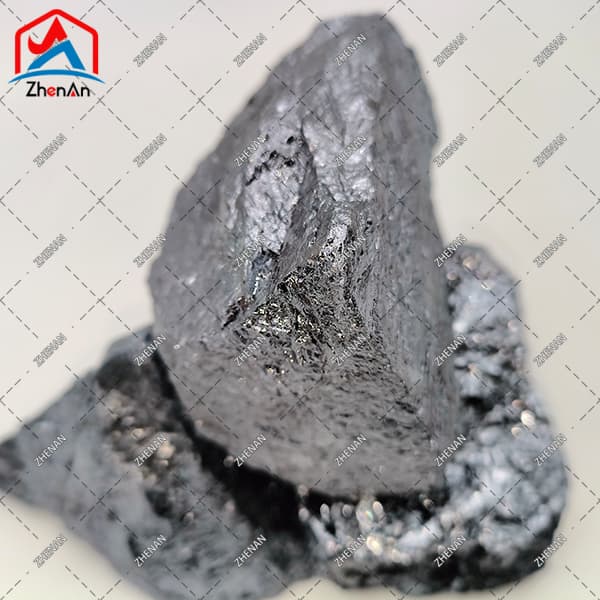
Different Names for Metal Silicon
The terminology used for Metal Silicon varies across countries, industries, and technical documents. Understanding these names helps buyers, engineers, and procurement professionals interpret specifications more accurately.
| Common Name | Typical Usage |
|---|---|
| Metal Silicon | International trade and technical documents |
| Silicon Metal | The most widely used commercial name |
| Industrial Silicon | Common in China and Asian markets |
| Metallurgical Silicon | Production and smelting industries |
| Elemental Silicon | Scientific research and academic publications |
| Commercial Silicon | International commodity trading |
| High-Purity Silicon | Semiconductor and photovoltaic industries |
Why Is Metal Silicon Considered a Strategic Industrial Material?
Over the past two decades, Metal Silicon has evolved from a conventional metallurgical material into a strategic resource supporting global industrial development. It serves as the starting point for manufacturing silicone polymers, polysilicon, single-crystal silicon wafers, electronic-grade silicon, and numerous high-value silicon compounds.
The rapid expansion of electric vehicles, renewable energy, 5G communications, artificial intelligence, and energy storage technologies has significantly increased worldwide demand for Industrial Silicon. As a result, countries and manufacturers are investing heavily in stable supply chains, cleaner production technologies, and higher-purity silicon materials.
How Is Metal Silicon Produced?
The production of Metal Silicon is based on a high-temperature carbothermic reduction process. In simple terms, oxygen is removed from quartz (SiO₂) by reacting it with carbon at extremely high temperatures, leaving behind elemental silicon.
Commercial Metal Silicon is almost exclusively produced in a submerged arc furnace (SAF), where electrical energy is converted into heat. Inside the furnace, temperatures typically range from 1,800°C to over 2,000°C, creating the conditions necessary to reduce silica into molten silicon.
Although the principle is straightforward, producing high-quality Silicon Metal requires careful control of raw materials, furnace operation, energy consumption, and impurity levels. Even small variations in the production process can affect the concentrations of iron (Fe), aluminum (Al), and calcium (Ca), which ultimately determine the final grade of the product.
Main Raw Materials Used in Metal Silicon Production
The quality of Metal Silicon begins with the selection of raw materials. Each material serves a specific purpose during the reduction reaction and directly influences production efficiency, silicon recovery, and product purity.
The primary raw materials include:
- Quartz – the main source of silicon, requiring high SiO₂ content and low impurity levels.
- Petroleum Coke – provides carbon for the reduction reaction and offers stable chemical properties.
- Coal – helps maintain the required carbon balance inside the furnace.
- Charcoal – improves furnace permeability and reaction efficiency because of its porous structure.
- Wood Chips – increase gas circulation within the furnace and help stabilize the burden.
Careful selection and proportioning of these materials are essential for producing consistent Industrial Silicon with high silicon recovery and low impurity content.
The Basic Chemical Reaction
The core reaction in Metal Silicon production can be simplified as:
SiO₂ + 2C → Si + 2CO↑
In reality, the reduction process involves multiple intermediate reactions and the formation of silicon carbide (SiC) before molten silicon is finally produced. Temperature, furnace atmosphere, and raw material quality all influence the efficiency of these reactions.
Modern Metal Silicon producers continuously optimize furnace conditions to maximize silicon yield while reducing energy consumption and emissions.
Why Is a Submerged Arc Furnace Used?
A submerged arc furnace is considered the industry standard because it can generate the extremely high temperatures required for silicon reduction while maintaining continuous production.
Compared with conventional furnaces, a SAF offers higher productivity, better energy efficiency, more stable operating conditions, and improved control over product quality. Furnace capacities vary from small industrial units to large-scale systems capable of producing hundreds of thousands of tonnes of Metal Silicon each year.
Metal Silicon Production Process Step by Step
Step 1 – Selecting High-Quality Raw Materials
The quality of Metal Silicon begins long before the smelting process starts. Selecting suitable raw materials is one of the most important factors affecting silicon recovery, energy consumption, impurity control, and overall product quality.
High-grade quartz is the primary source of silicon and should contain a high percentage of SiO₂ with minimal levels of iron, aluminum, phosphorus, and other unwanted impurities. Carbonaceous reducing agents, including petroleum coke, charcoal, and selected grades of coal, are carefully chosen to provide sufficient fixed carbon while maintaining good furnace permeability.
Raw materials are usually dried, screened, and classified by particle size before entering production. Consistent sizing improves gas circulation inside the furnace, promotes stable chemical reactions, and helps produce Silicon Metal with uniform quality.
Step 2 – Charging the Furnace
Once the raw materials have been prepared, they are charged into the submerged arc furnace according to a carefully calculated ratio. Maintaining the correct burden composition is essential for stable furnace operation and efficient silicon production.
During operation, fresh raw materials are continuously added from the top of the furnace while molten Metal Silicon gradually accumulates at the bottom. This continuous charging process helps maintain a stable reaction zone and supports uninterrupted production.
Modern production facilities often use automated weighing and feeding systems to improve accuracy, reduce labor intensity, and ensure consistent product quality.
Step 3 – High-Temperature Smelting
Inside the furnace, electric current passes through graphite electrodes and generates temperatures exceeding 2,000°C. At these temperatures, quartz reacts with carbon to produce molten silicon through a series of complex reduction reactions.
The smelting process is carefully monitored because temperature fluctuations, electrode positioning, furnace pressure, and raw material distribution all influence the quality of the final Industrial Silicon.
Experienced furnace operators continuously adjust electrical power, raw material feeding rates, and electrode depth to maintain optimal operating conditions.
Step 4 – Tapping Molten Silicon
After sufficient molten silicon has accumulated inside the furnace, the tapping operation begins. Workers open the tapping hole and allow the molten Metal Silicon to flow into refractory-lined ladles or casting molds.
The tapping process requires careful temperature control and precise timing. Proper tapping helps reduce oxidation, minimize silicon loss, and improve overall production efficiency.
Once tapping is complete, the furnace continues operating without interruption, allowing another production cycle to begin immediately.
Step 5 – Cooling and Solidification
Freshly tapped Metal Silicon is allowed to cool naturally under controlled conditions. As the temperature decreases, the molten silicon solidifies into large blocks with a metallic gray appearance.
Controlled cooling is important because excessive thermal stress may create internal cracks or reduce mechanical integrity. Different manufacturers may use different cooling methods depending on production capacity and product specifications.
Step 6 – Crushing and Sizing
Crushing and Sizing
After cooling, large blocks of Metal Silicon are transferred to the crushing line, where they are broken into smaller pieces suitable for transportation and downstream processing. Depending on customer requirements, the material may pass through several stages of crushing before reaching the desired particle size.
Screening equipment is then used to separate different size fractions. Common commercial sizes include 0–10 mm, 10–50 mm, 10–100 mm, 20–80 mm, and customized specifications for specific industries. Uniform particle size improves handling efficiency, melting performance, and consistency during manufacturing.
The crushing and sizing process also helps remove oversized pieces and excessive fines, ensuring that the final Silicon Metal meets customer specifications and international quality standards.
Step 7 – Chemical Analysis and Quality Inspection
Chemical Analysis and Quality Inspection
Before shipment, every batch of Industrial Silicon undergoes comprehensive quality inspection. Chemical composition is analyzed to determine the content of silicon (Si) as well as impurity elements such as iron (Fe), aluminum (Al), calcium (Ca), phosphorus (P), and titanium (Ti).
Modern manufacturers commonly use laboratory instruments such as X-ray fluorescence (XRF), inductively coupled plasma (ICP) analysis, and particle size testing equipment to verify product specifications. These tests help ensure that each batch meets the required grade, whether it is Metal Silicon 553, 441, 421, 3303, or another specification.
In addition to chemical analysis, visual inspection, moisture measurement, and packaging checks are often carried out to maintain consistent product quality throughout the supply chain.
Step 8 – Packaging and Storage
Packaging and Storage
Once quality inspection has been completed, Metal Silicon is packaged according to customer requirements and international shipping standards. Standard packaging options include 25 kg bags, 1 metric ton jumbo bags, palletized packaging, and customized export solutions.
To maintain product quality, Silicon Metal should be stored in a dry, well-ventilated environment away from excessive moisture and contaminants. Although elemental silicon is chemically stable under normal conditions, prolonged exposure to water and humid environments may affect packaging integrity and handling efficiency.
Proper packaging and storage reduce material loss during transportation and help ensure that the product arrives in excellent condition.
From Raw Quartz to High-Purity Metal Silicon
From Raw Materials to Finished Product
The production of Metal Silicon is a continuous process that combines raw material preparation, high-temperature smelting, quality control, and logistics management. Every stage influences the purity, recovery rate, energy efficiency, and commercial value of the final product.
As technology continues to improve, modern Silicon Metal manufacturers are investing in energy-efficient furnaces, intelligent process control systems, and environmentally responsible production methods. These advancements help produce higher-quality Industrial Silicon while reducing energy consumption and environmental impact.