


What Are Electrolytic Manganese Flakes (EMM)?
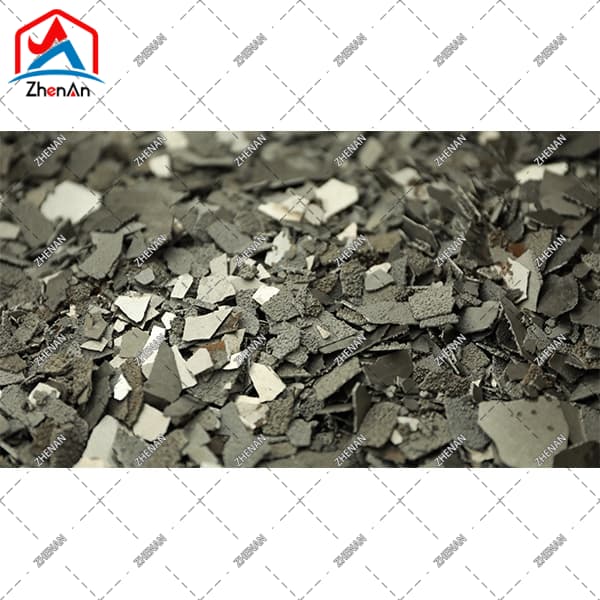
Electrolytic Manganese Flakes (EMM), also known as Electrolytic Manganese Metal, are high-purity metallic manganese products manufactured through an electrolytic refining process. With a manganese content typically ranging from 99.7% to 99.9%, EMM is recognized as one of the purest commercial forms of metallic manganese available on the global market.
Unlike ferromanganese or silicomanganese, which are mainly used as bulk alloying materials, Electrolytic Manganese Flakes are valued for their exceptionally low impurity levels and highly controlled chemical composition. This makes them suitable for industries where product consistency, alloy purity, and precise metallurgical performance are essential.
Today, Electrolytic Manganese is widely used in stainless steel production, special alloy manufacturing, aluminum alloys, copper alloys, high-strength steel, battery materials, and various chemical industries. As global demand for cleaner alloys and advanced battery technologies continues to increase, High Purity Manganese Metal has become an increasingly important raw material for modern manufacturing.
Because of its outstanding purity and stable quality, Electrolytic Manganese Flakes are exported worldwide and are widely supplied to customers in Europe, North America, Southeast Asia, the Middle East, South America, and other industrial markets.
The History and Development of Electrolytic Manganese
The commercial production of Electrolytic Manganese Metal (EMM) began as industries sought higher-purity manganese than could be obtained through traditional smelting methods. Conventional manganese alloys were suitable for general steelmaking, but advanced industries required metallic manganese with significantly lower levels of carbon, sulfur, phosphorus, and other impurities.
The introduction of electrolytic refining made it possible to produce High Purity Manganese Metal with consistent quality and excellent metallurgical performance. Over time, improvements in electrolyte purification, energy efficiency, and process control further enhanced product quality and production capacity.
In recent years, the rapid growth of electric vehicles (EVs), renewable energy storage, and lithium-ion battery technologies has created new demand for high-purity manganese materials. Although battery-grade manganese products often require additional processing, Electrolytic Manganese Flakes remain one of the most important upstream raw materials for many advanced battery chemistries.
As industries continue to pursue cleaner production, lightweight materials, and higher-performance alloys, Electrolytic Manganese is expected to play an increasingly important role in global manufacturing.
How Are Electrolytic Manganese Flakes Produced?
The production of Electrolytic Manganese Flakes involves a carefully controlled hydrometallurgical and electrolytic refining process designed to achieve extremely high purity. Unlike pyrometallurgical production methods, the electrolytic process allows manufacturers to remove unwanted impurities while producing metallic manganese with consistent chemical composition.
The typical manufacturing process includes several major stages:
1. Manganese Ore Preparation
Selected manganese ore is crushed, ground, and processed to prepare a suitable raw material for leaching.
2. Acid Leaching
The processed ore is dissolved using sulfuric acid to produce a manganese sulfate solution containing dissolved manganese ions.
3. Solution Purification
Impurities such as iron, calcium, magnesium, copper, and other trace elements are carefully removed to improve electrolyte purity.
4. Electrolysis
Purified electrolyte is introduced into electrolytic cells, where metallic manganese is deposited onto cathode plates under controlled electrical conditions.
5. Flake Removal and Cleaning
After electrolysis, the deposited manganese is stripped from the cathodes, washed, dried, and broken into standard Electrolytic Manganese Flakes.
6. Inspection and Packaging
Each production batch undergoes chemical composition analysis, visual inspection, and quality testing before packaging for domestic or international shipment.
Chemical Composition of Electrolytic Manganese Flakes
The quality of Electrolytic Manganese Flakes (EMM) is primarily determined by its manganese content and the control of residual impurities. High-purity Electrolytic Manganese Metal is manufactured to meet strict chemical composition requirements, ensuring stable performance in alloy production, stainless steel manufacturing, battery materials, and other metallurgical applications.
Commercial EMM is generally available in several purity grades, with manganese content ranging from 99.7% to 99.9%. While the manganese percentage is important, manufacturers also pay close attention to impurities such as carbon (C), sulfur (S), phosphorus (P), iron (Fe), silicon (Si), and selenium (Se), as these elements can influence alloy quality and downstream processing.
Typical chemical composition may include:
| Element | Typical Value |
|---|---|
| Mn | ≥99.7%, ≥99.8%, ≥99.9% |
| C | Low |
| S | Low |
| P | Low |
| Fe | Controlled |
| Si | Controlled |
| Se | Trace |
The exact specification depends on customer requirements, industry standards, and the intended application. For example, battery material manufacturers often require tighter impurity control than conventional alloy producers.
Physical Properties of Electrolytic Manganese Flakes
In addition to high chemical purity, Electrolytic Manganese Flakes exhibit stable physical properties that make them suitable for precision alloying and advanced industrial applications. The metallic flakes have a bright silver-gray appearance and are brittle enough to be crushed into smaller pieces when required for production.
The controlled physical characteristics of EMM contribute to predictable melting behavior, efficient alloying, and consistent metallurgical performance.
Typical characteristics include:
- High metallic purity
- Bright silver-gray surface
- Brittle flake structure
- Good melting efficiency
- Excellent alloying performance
- Low impurity content
- Stable storage performance
- Uniform product quality
These properties make High Purity Manganese Metal particularly suitable for applications requiring accurate alloy composition and reliable production consistency.
Common Grades of Electrolytic Manganese Flakes
To satisfy different industrial requirements, Electrolytic Manganese Flakes are available in several commercial grades based on manganese purity and impurity control.
99.7% Electrolytic Manganese
This grade is widely used in steelmaking, general alloy production, and other conventional metallurgical applications where high purity is required at a competitive cost.
99.8% Electrolytic Manganese
Offering a balance between purity and cost, 99.8% EMM is commonly selected for stainless steel, special steels, aluminum alloys, and copper alloys.
99.9% Electrolytic Manganese
The highest commercial purity is typically reserved for demanding applications such as high-performance alloys, electronic materials, and certain battery-related manganese products, where strict impurity control is essential.
Manufacturers may also provide customized specifications according to customer requirements, including tighter limits for sulfur, phosphorus, iron, or other trace elements.
Advantages of High Purity Electrolytic Manganese
The increasing demand for High Purity Electrolytic Manganese Flakes is driven by the need for cleaner alloys, higher production efficiency, and more consistent product quality. Compared with lower-purity manganese sources, EMM offers significant technical and economic advantages.
Key benefits include:
- High manganese content for efficient alloying
- Low carbon, sulfur, and phosphorus levels
- Consistent chemical composition
- Excellent melting and dissolution behavior
- Improved alloy cleanliness
- Reduced risk of unwanted impurities
- Reliable batch-to-batch consistency
- Suitable for a wide range of metallurgical applications
- Compatible with automated industrial production
- Available in multiple purity grades and customized specifications
For manufacturers producing high-quality steels, specialty alloys, and precision metal products, Electrolytic Manganese Metal provides greater process stability and supports tighter quality control throughout production.
Common Specifications of Electrolytic Manganese Flakes
To meet the requirements of different industries, Electrolytic Manganese Flakes (EMM) are supplied in various purity grades, flake sizes, and packaging options. Although exact specifications may vary among manufacturers, consistent quality control is essential to ensure reliable performance during alloy production and industrial processing.
Common commercial specifications include:
| Item | Typical Specification |
|---|---|
| Product Name | Electrolytic Manganese Flakes (EMM) |
| Manganese Content | ≥99.7%, ≥99.8%, ≥99.9% |
| Appearance | Silver-gray metallic flakes |
| Shape | Irregular flakes |
| Flake Size | Customized according to customer requirements |
| Moisture | Low |
| Packaging | Steel drums, ton bags, wooden pallets, or customized export packaging |
For international projects, manufacturers can also provide customized particle sizes, impurity limits, packaging methods, private labeling, and documentation according to customer specifications.
Quality Control in Electrolytic Manganese Production
Consistent quality is one of the most important factors when selecting Electrolytic Manganese Flakes. Modern manufacturers implement comprehensive quality management systems throughout the entire production process, from raw material selection to final shipment.
Typical quality control procedures include:
- Raw material inspection
- Electrolyte composition monitoring
- Electrolysis process control
- Chemical composition analysis
- Trace impurity testing
- Visual inspection
- Batch identification and traceability
- Packaging inspection before shipment
Many Electrolytic Manganese Manufacturers also provide Mill Test Certificates (MTC), Certificates of Analysis (COA), or third-party inspection reports to verify compliance with customer specifications and international standards.
Reliable quality control not only improves product consistency but also helps downstream manufacturers maintain stable alloy performance and reduce production risks.
Packaging, Storage and Transportation
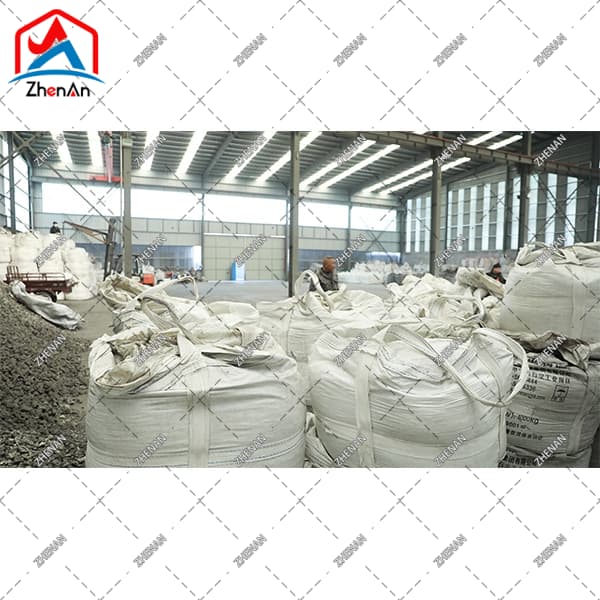
Proper packaging and storage play an important role in maintaining the quality of Electrolytic Manganese Flakes during transportation and long-term storage. Although metallic manganese is relatively stable under normal conditions, exposure to excessive moisture or contaminated environments may affect product appearance and handling performance.
Common packaging options include:
- Steel drum packaging
- Bulk bags (FIBC)
- Wooden pallet packaging
- Moisture-resistant export packaging
- Customized packaging with customer labels
For storage, Electrolytic Manganese Flakes should be kept in a dry, clean, and well-ventilated warehouse. Contact with water, acids, alkalis, and corrosive substances should be avoided to preserve product quality.
During international transportation, secure packaging and proper moisture protection help ensure that the material arrives in good condition and is ready for immediate industrial use.
Why Choose High-Quality Electrolytic Manganese Flakes?

As industrial manufacturing continues to demand higher material performance and tighter quality control, selecting high-quality Electrolytic Manganese Flakes has become increasingly important. Consistent purity, low impurity levels, and reliable supply help manufacturers improve production efficiency, reduce process variability, and produce alloys with more predictable properties.
Whether used in stainless steel, special alloys, aluminum alloys, copper alloys, or as an upstream raw material for advanced manganese compounds, High Purity Electrolytic Manganese Metal provides a dependable foundation for modern metallurgical production.
Working with an experienced Electrolytic Manganese Supplier that offers stable quality, technical support, and flexible customization can help ensure long-term project success and reliable supply chain performance.