


What Is Zinc Wire Used For?
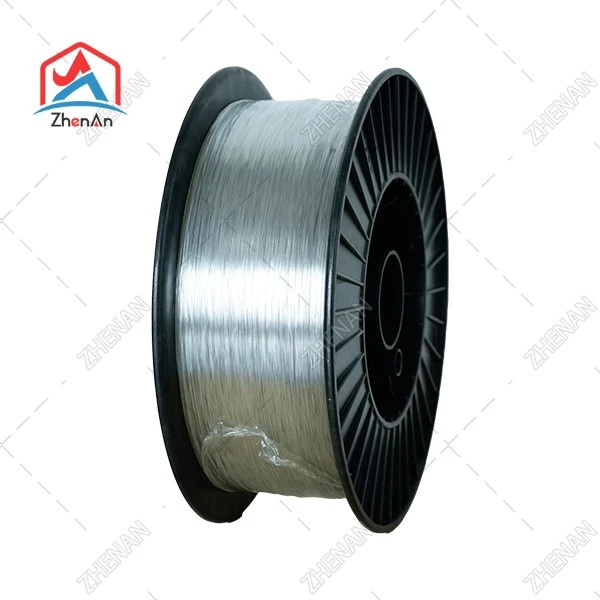
Zinc Wire is widely used in industries where long-term corrosion protection, reliable metal coating, and durable surface engineering are essential. Thanks to its excellent corrosion resistance, electrochemical protection, and stable spraying performance, Zinc Wire has become one of the most commonly used materials in thermal spraying, arc spraying, and metallizing applications.
Unlike conventional paint coatings, zinc coatings produced from Thermal Spray Zinc Wire provide both a physical barrier and cathodic protection. Even if the coating is scratched or locally damaged, the zinc layer continues to protect the underlying steel by acting as a sacrificial anode. This unique protection mechanism significantly extends the service life of steel structures operating in harsh outdoor or marine environments.
Today, Zinc Wire is widely applied in bridges, offshore platforms, wind power towers, transmission towers, storage tanks, pipelines, port facilities, railway infrastructure, industrial plants, and many other steel structures requiring long-term corrosion resistance.
1.Zinc Wire for Thermal Spraying
One of the most important applications of Zinc Wire is thermal spray coating. During the spraying process, the wire is continuously fed into a spray gun where it is melted by an electric arc or flame. Compressed air then atomizes the molten zinc into fine droplets, which are projected onto the prepared metal surface to form a dense protective coating.
Compared with traditional hot-dip galvanizing, thermal spray zinc coating offers greater flexibility for large structures, field maintenance, and components that cannot be immersed in molten zinc. It also allows damaged areas to be repaired without dismantling the entire structure, reducing maintenance costs and downtime.
Because of these advantages, Thermal Spray Zinc Wire is widely used in bridge rehabilitation, offshore maintenance, power transmission projects, industrial equipment refurbishment, and heavy steel fabrication.
2.Zinc Wire for Steel Structure Corrosion Protection
Steel structures are continuously exposed to moisture, oxygen, salt spray, industrial pollution, and changing weather conditions. Without adequate protection, corrosion can reduce structural strength, increase maintenance costs, and shorten service life.
Applying Zinc Wire through thermal spraying creates a long-lasting protective coating that isolates steel from corrosive environments while providing sacrificial protection. Unlike ordinary coatings, zinc continues to protect exposed steel even when the coating is mechanically damaged.
This protection method is commonly specified for:
- Steel bridges
- Transmission towers
- Communication towers
- Industrial plants
- Airport structures
- Stadium roofs
- Large steel buildings
Many international engineering standards recommend thermal spray zinc coatings for critical infrastructure because of their durability and ease of maintenance.
3.Zinc Wire in Marine and Offshore Engineering
Marine environments are among the most aggressive conditions for steel corrosion due to constant exposure to saltwater, humidity, and chloride-rich atmospheres. Zinc Wire provides an effective solution by forming protective coatings that resist these harsh conditions while reducing long-term maintenance requirements.
Typical marine applications include:
- Offshore oil and gas platforms
- Ports and harbors
- Shipbuilding and ship repair
- Marine pipelines
- Coastal bridges
- Offshore wind foundations
- Floating structures
When combined with high-performance sealing coatings or paint systems, thermal spray zinc coatings can significantly extend the maintenance cycle of marine steel structures.
Advantages of Zinc Wire
One of the key reasons Zinc Wire is widely used for industrial corrosion protection is its ability to combine long-term performance with cost efficiency. Unlike many conventional coating materials, zinc not only forms a protective barrier against moisture and oxygen but also provides cathodic protection, allowing the coating to continue protecting exposed steel even if the surface is scratched or locally damaged.
Another important advantage of Zinc Wire is its compatibility with a wide range of thermal spray systems. High-quality wire melts consistently, feeds smoothly through spraying equipment, and produces uniform coatings with excellent adhesion. This helps reduce overspray, improve material utilization, and achieve a more consistent coating thickness across large structures.
For infrastructure owners and maintenance contractors, Thermal Spray Zinc Wire also offers practical economic benefits. Damaged coatings can usually be repaired on site without removing the entire protective layer, reducing downtime and extending the service life of valuable steel assets.
Key advantages of High Purity Zinc Wire include:
- Outstanding corrosion resistance
- Excellent cathodic protection
- Long coating service life
- Stable spraying performance
- High coating adhesion
- Uniform melting behavior
- Good compatibility with arc and flame spraying equipment
- Low maintenance costs
- Suitable for large steel structures
- Environmentally recyclable material
These advantages have made Zinc Wire one of the preferred coating materials for bridges, offshore facilities, industrial equipment, transportation infrastructure, and heavy steel fabrication around the world.
How to Choose the Right Zinc Wire
Selecting the appropriate Zinc Wire depends on the spraying process, service environment, coating specification, and equipment requirements. Although high-purity zinc is suitable for most applications, choosing the correct wire diameter, purity level, and packaging can improve spraying efficiency and coating quality.
When selecting Zinc Wire, buyers should consider the following factors:
Zinc Purity
Higher zinc purity generally results in better melting performance, smoother atomization, and improved corrosion resistance. High-purity Zinc Wire is commonly specified for infrastructure, marine engineering, and long-life protective coatings.
Wire Diameter
Different spray systems require different wire diameters. Selecting the correct size ensures stable wire feeding, consistent melting, and uniform coating thickness.
Application Environment
Projects located in coastal regions, offshore platforms, chemical plants, or high-humidity environments often require higher coating thickness and stricter quality control than inland applications.
Equipment Compatibility
The selected Zinc Wire should match the specifications of arc spray or flame spray equipment to achieve stable operation and minimize downtime.
Supplier Reliability
An experienced Zinc Wire manufacturer should provide consistent chemical composition, strict quality inspection, technical support, and reliable delivery schedules to support long-term projects.
Common Wire Diameters and Specifications
Different spraying systems and engineering standards require different Zinc Wire diameters. Selecting the correct wire size not only improves spraying efficiency but also helps achieve the required coating thickness and surface finish.
Common commercial specifications include:
| Wire Diameter | Typical Applications |
|---|---|
| 1.6 mm | Precision thermal spraying and detailed components |
| 2.0 mm | General-purpose arc spraying |
| 2.5 mm | Heavy-duty corrosion protection for steel structures |
| 3.0 mm | High-output industrial spraying systems |
| Custom diameters | Special equipment or project requirements |
In addition to diameter, buyers may also specify spool weight, tolerance, surface finish, and packaging according to project requirements.
Packaging, Storage and Transportation
Proper packaging helps maintain the quality of Zinc Wire throughout storage, transportation, and international shipment. Moisture, contamination, or mechanical damage may affect wire feeding performance and spraying quality if the product is not adequately protected.
Common packaging options include:
- Plastic spool packaging
- Steel spool packaging
- Wooden case packaging
- Carton packaging
- Customized export packaging
For long-term storage, Zinc Wire should be kept in a clean, dry, and well-ventilated warehouse. Avoid direct exposure to rain, excessive humidity, corrosive chemicals, or mechanical impact to preserve surface quality and ensure stable spraying performance.

Global Zinc Wire Market Trends
The global Zinc Wire market continues to grow as industries place greater emphasis on long-term corrosion protection, infrastructure durability, and sustainable maintenance solutions. Governments and private investors are increasing spending on bridges, ports, railways, renewable energy facilities, offshore structures, and industrial plants, creating steady demand for high-quality Thermal Spray Zinc Wire.
In recent years, many engineering projects have shifted from conventional painting systems to thermal spray metallizing because zinc coatings provide a longer service life, lower maintenance costs, and better protection in aggressive environments. This trend has driven continuous growth in the demand for High Purity Zinc Wire across Asia, Europe, North America, the Middle East, and South America.
At the same time, manufacturers are improving production technology, quality control, and environmental performance to meet increasingly strict international standards. Buyers now pay closer attention not only to price, but also to product consistency, technical support, delivery reliability, and certification.
How to Choose a Reliable Zinc Wire Supplier
Selecting a dependable Zinc Wire Supplier is essential for achieving consistent coating quality and ensuring the success of long-term corrosion protection projects. A professional supplier should provide more than competitive pricing-they should also offer technical expertise, stable production capacity, and reliable after-sales support.
When evaluating potential suppliers, buyers should consider the following factors:
- High-purity zinc raw materials
- Stable chemical composition
- Accurate wire diameter tolerance
- Smooth wire feeding performance
- Comprehensive quality inspection
- Export packaging experience
- On-time delivery
- Technical consultation and application support
- Customization capability
- International export experience
Many international buyers also request Mill Test Certificates (MTC), Certificates of Analysis (COA), or third-party inspection reports before shipment to verify product quality and ensure compliance with project specifications.
Choosing a long-term Zinc Wire Manufacturer with a strong quality management system can help reduce project risks, improve coating consistency, and lower maintenance costs over the entire service life of the structure.