


What Is Electrolytic Manganese Used For?
Thanks to its exceptionally high purity and consistent chemical composition, Electrolytic Manganese Flakes (EMM) are used across a wide range of metallurgical and industrial applications. Compared with conventional manganese alloys, Electrolytic Manganese Metal offers better impurity control, improved alloying efficiency, and greater flexibility for manufacturing high-performance materials.
Today, EMM is widely consumed in the production of stainless steel, special steels, aluminum alloys, copper alloys, nickel-based alloys, welding materials, electronic materials, and as a raw material for certain manganese compounds used in advanced industries.
As manufacturing technologies continue to evolve, the demand for High Purity Manganese Metal is expanding beyond traditional metallurgy into sectors such as renewable energy, advanced materials, precision engineering, and battery-related supply chains.
Typical applications of Electrolytic Manganese Flakes include:
- Stainless steel manufacturing
- Special alloy production
- High-strength low-alloy (HSLA) steels
- Aluminum alloy modification
- Copper alloy production
- Nickel alloy manufacturing
- Welding consumables
- Electronic materials
- Chemical intermediates
- Advanced manganese compounds
Because of its stable quality and low impurity levels, Electrolytic Manganese has become an important raw material for manufacturers seeking consistent metallurgical performance and improved product quality.
Electrolytic Manganese for Stainless Steel
The stainless steel industry is one of the largest consumers of Electrolytic Manganese Flakes. Manganese plays an important role in improving steelmaking efficiency while contributing to the mechanical properties and processing characteristics of stainless steel.
During steel production, Electrolytic Manganese Metal is used as an alloying element to help control the chemical composition of the molten steel. It also contributes to deoxidation and sulfur control under appropriate process conditions, improving the overall cleanliness and consistency of the final steel product.
Compared with lower-purity manganese sources, High Purity EMM helps reduce the introduction of unwanted impurities, making it particularly suitable for stainless steel grades that require strict composition control and reliable production consistency.
Common stainless steel applications include:
- Austenitic stainless steel
- Ferritic stainless steel
- Duplex stainless steel
- Heat-resistant stainless steel
- Precision stainless steel products
As global demand for high-quality stainless steel continues to grow, Electrolytic Manganese Flakes remain an important alloying material for modern steel producers.

Electrolytic Manganese for Special Steels
In the production of special steels, maintaining precise chemical composition is essential for achieving the required mechanical properties and service performance. Electrolytic Manganese Flakes provide a reliable source of high-purity manganese, helping steel manufacturers produce consistent, high-quality alloys.
Special steels often require tighter control of residual elements than ordinary carbon steels. The low levels of carbon, sulfur, phosphorus, and other impurities found in EMM help minimize unwanted contamination during alloy production.
Typical applications include:
- Tool steels
- Spring steels
- Bearing steels
- Wear-resistant steels
- High-strength structural steels
- Engineering steels
- Pressure vessel steels
By using Electrolytic Manganese Metal, manufacturers can improve alloy consistency, optimize production efficiency, and support demanding engineering applications.
Electrolytic Manganese for Aluminum and Copper Alloys
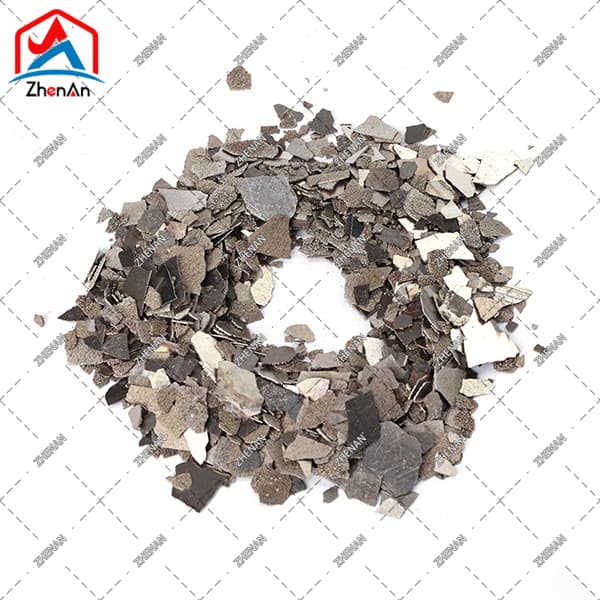
Beyond the steel industry, Electrolytic Manganese Flakes are also used in the production of selected aluminum alloys and copper alloys. In these applications, manganese contributes to improved strength, wear resistance, corrosion resistance, and microstructural stability.
In aluminum alloys, controlled manganese additions can help refine the grain structure and improve resistance to deformation during processing. In copper-based alloys, manganese is used in specific alloy systems to achieve desired mechanical and physical properties.
Because alloy performance depends on accurate composition control, manufacturers often prefer High Purity Electrolytic Manganese to reduce the influence of unwanted impurities.
Electrolytic Manganese in Battery Materials

As demand for electric vehicles (EVs), energy storage systems, and lithium-ion batteries continues to grow, high-purity manganese has become an increasingly important part of the global battery materials supply chain. Although Electrolytic Manganese Flakes (EMM) are not typically used directly as cathode materials, they serve as a key raw material for producing high-purity manganese chemicals used in certain battery applications.
One important downstream product is high-purity manganese sulfate, which is manufactured from carefully refined manganese metal and is widely used in selected lithium-ion battery chemistries. The quality of the manganese feedstock can influence the consistency and purity of these downstream materials.
For this reason, manufacturers of battery-related manganese compounds often require High Purity Electrolytic Manganese with strict control of impurities such as iron, phosphorus, sulfur, and other trace elements.
As battery technologies continue to evolve, demand for high-quality manganese raw materials is expected to remain an important part of the advanced materials industry.
Advantages of High Purity Electrolytic Manganese
Compared with conventional manganese sources, High Purity Electrolytic Manganese Flakes offer significant advantages in alloy production, precision manufacturing, and advanced material processing. Their stable chemical composition and low impurity content help manufacturers achieve better process control and more consistent product quality.
For industries producing stainless steel, specialty alloys, electronic materials, or high-purity manganese compounds, using Electrolytic Manganese Metal can reduce process variability while improving alloy performance and production efficiency.
Major advantages include:
- High manganese purity
- Low carbon content
- Low sulfur and phosphorus
- Stable chemical composition
- Consistent alloying performance
- Improved product quality
- Reduced impurity contamination
- Reliable batch consistency
- Suitable for automated production
- Available in customized specifications
These advantages have made Electrolytic Manganese Flakes one of the preferred raw materials for manufacturers seeking higher quality and greater production stability.
How to Choose the Right Electrolytic Manganese Flakes
Selecting the appropriate Electrolytic Manganese Flakes depends on the intended application, required purity, technical specifications, and supply reliability. Choosing the right material can improve manufacturing efficiency, reduce quality risks, and support long-term production consistency.
When evaluating Electrolytic Manganese Suppliers, buyers should consider several important factors.
Manganese Purity
Select the appropriate purity level according to the application. Products with higher purity and tighter impurity control are often preferred for specialty alloys and advanced manganese compounds.
Impurity Control
Pay attention to impurity limits for elements such as carbon, sulfur, phosphorus, iron, and silicon, as these may influence downstream processing and final product quality.
Product Consistency
Reliable suppliers should maintain consistent chemical composition and stable quality across production batches.
Packaging and Logistics
Appropriate export packaging and dependable delivery schedules help ensure that materials arrive in good condition and support uninterrupted production.
Technical Support
Experienced manufacturers can provide specification recommendations, quality documentation, and technical assistance for different industrial applications.
Packaging, Storage and Transportation of Electrolytic Manganese Flakes
Proper packaging and storage are essential for maintaining the quality of Electrolytic Manganese Flakes (EMM) throughout transportation and long-term storage. Although metallic manganese is stable under normal conditions, improper handling may result in moisture absorption, surface oxidation, contamination, or physical damage, which can affect downstream processing.
Manufacturers typically provide a variety of export packaging options to meet different transportation methods and customer requirements.
Common packaging options include:
- Steel drum packaging
- Jumbo bags (FIBC)
- Wooden pallet packaging
- Moisture-resistant export packaging
- Customized packaging with private labeling
- Mixed container loading for multiple products
For storage, Electrolytic Manganese Flakes should be kept in a clean, dry, and well-ventilated warehouse. Direct exposure to rain, excessive humidity, corrosive chemicals, and prolonged outdoor storage should be avoided to preserve product quality.
During international transportation, secure packaging, proper palletization, and moisture protection help reduce cargo damage and ensure the material reaches customers in optimal condition.

Global Electrolytic Manganese Market Trends
The global market for Electrolytic Manganese Flakes continues to evolve alongside developments in steel manufacturing, specialty alloys, advanced materials, and battery-related industries. While the steel sector remains the largest consumer of metallic manganese, demand from high-performance materials has increased steadily in recent years.
Several factors are shaping today's Electrolytic Manganese Market:
- Growing investment in stainless steel and special steel production.
- Expansion of renewable energy, electric vehicles (EVs), and energy storage industries, increasing demand for high-purity manganese chemicals derived from refined manganese metal.
- Rising quality standards requiring lower impurity levels and more consistent raw materials.
- Greater focus on environmentally responsible manufacturing, energy efficiency, and supply chain reliability.
- Increased demand for customized grades, packaging solutions, and technical support.
As international manufacturing continues to modernize, buyers are placing greater emphasis on product quality, technical expertise, and long-term supply stability rather than price alone. Manufacturers capable of delivering consistent quality and responsive service are well positioned to support future market growth.
How to Choose a Reliable Electrolytic Manganese Supplier
Choosing a reliable Electrolytic Manganese Supplier is critical for ensuring consistent product quality and uninterrupted production. A dependable supplier should not only deliver high-purity materials but also provide technical support, flexible production capabilities, and reliable logistics.
When evaluating suppliers, buyers should consider:
- Stable manganese purity and impurity control
- Consistent production quality
- Comprehensive quality inspection procedures
- Mill Test Certificate (MTC) and Certificate of Analysis (COA) availability
- Compliance with international quality standards
- Customization of specifications and packaging
- Professional export documentation
- Reliable delivery schedules
- Technical support before and after shipment
- Experience serving international markets
Building long-term partnerships with experienced Electrolytic Manganese Manufacturers can help reduce procurement risks, improve production efficiency, and support stable manufacturing operations.
Why High-Quality Electrolytic Manganese Matters

As manufacturing standards continue to rise, raw material quality has become an increasingly important factor in determining final product performance. High-quality Electrolytic Manganese Flakes contribute to better alloy consistency, cleaner metallurgical processes, and more reliable manufacturing outcomes.
Whether used in stainless steel, special alloys, aluminum alloys, or as a raw material for high-purity manganese compounds, selecting a trusted Electrolytic Manganese Supplier can improve product quality, reduce operational risks, and support long-term business growth.