




Silicon Metal Warehousing & Storage: Safe Handling from Port to Plant
Storing silicon metal sounds simple until you realize that a warehouse full of it can react with ambient humidity, generate flammable dust, or suffer from bag rupture and cross-contamination. Good silicon metal storage is about controlling four variables: moisture, temperature, dust, and stacking discipline. Get those right, and the material stays within specification for months. Get them wrong, and you are looking at oxidation losses, safety incidents, or rejected batches.
This page is a step-by-step guide for warehouse operators, freight forwarders, and plant receiving teams who handle metallurgical silicon on a regular basis. It covers the specific precautions for powder versus lump form, the fire-risk protocols that matter, and the inspection steps to run before any shipment leaves the warehouse.
⚠️ Why Does Silicon Metal Storage Matter?
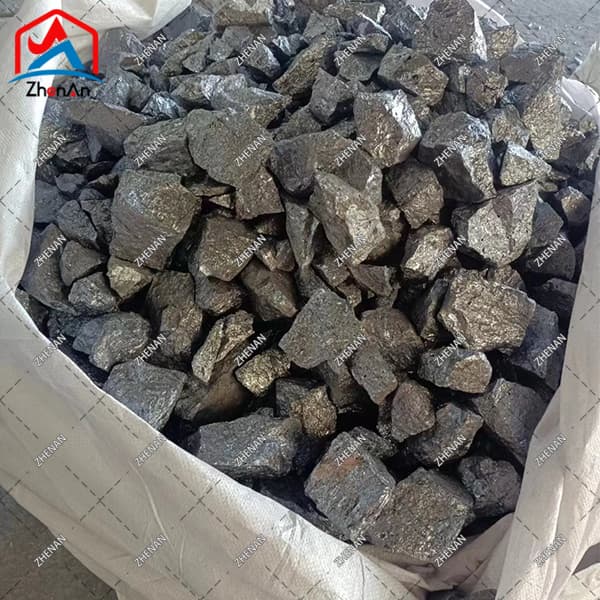
Silicon metal is not chemically inert. In the presence of moisture and oxygen, surface silicon slowly oxidizes to silicon dioxide (SiO₂). The reaction is slow at room temperature, but over weeks in a humid warehouse it can raise surface silica content enough to push the batch out of spec. For alloy consumers, that means off-chemistry melts. For chemical processors, it means contaminated chlorosilane yields.
Powdered silicon metal carries an additional hazard: it is classified as a flammable solid. Fine particles dispersed in air can ignite at temperatures around 780 °C, and dust concentrations above approximately 160 g/m³ can form explosive mixtures. That makes dust suppression and ignition-source control non-negotiable in any facility storing or handling silicon powder.
📋 Step-by-Step Storage Guide
Step 1 - Receiving & Initial Inspection
When a truck or container arrives, the first task is damage assessment before the driver leaves. Check each package for tears, punctures, or moisture stains. For jumbo bags, inspect the four lifting loops for fraying. For steel drums, verify that closures are intact and drum bodies show no dents or rust rings.
Cross-check the batch numbers on the packing list against the physical labels. Any mismatch gets photographed, logged, and flagged before the material enters the warehouse management system. Do not assume the shipper got it right - mislabeled batches are rare but expensive when they happen.
Weigh a sampled number of bags or drums against the declared net weight. A deviation above 2 % triggers a full re-weigh. Underweight bags can indicate leakage; overweight bags can signal moisture absorption or foreign material.
Step 2 - Warehouse Environment Setup
The ideal silicon metal storage area is a dry, covered warehouse with a concrete floor, adequate ventilation, and no direct exposure to rain or groundwater. Relative humidity should be kept below 60 % where possible. If the facility is in a tropical or coastal region, a dehumidifier or climate-control system pays for itself by reducing oxidation losses.
Flooring matters. Dirt or gravel floors allow moisture wicking from the ground into palletized bags. Asphalt can soften in summer heat and contaminate bag undersides. Sealed concrete with a slight slope for drainage is the industry-typical standard.
Separate storage zones by product form and grade. Lumps, granules, and powder should not share the same aisle. Different grades - 553, 441, 3303 - should be physically segregated with clear signage. Cross-contamination between grades is a common cause of rejected shipments.
Step 3 - Stacking, Layout & Load Limits
For palletized 1 MT jumbo bags, stacking height is typically limited to three bags high (3 MT per stack) when using standard wooden pallets. Four-high stacking is possible with reinforced plastic pallets and a flat, even floor, but it increases the risk of bottom-bag burst and complicates FIFO rotation.
Maintain aisle widths of at least 1.5 meters for forklift maneuvering and 2.5 meters between stacks and warehouse walls for ventilation and fire-access routes. Stacks should be arranged to allow first-in-first-out (FIFO) rotation - old batches ship before new ones - to minimize dwell time and oxidation risk.
Steel drums are stored upright, maximum two drums high when palletized, or three high if using dedicated drum racking. Drums must never be stored on their sides; closure leakage can occur, and rolling hazards increase.
Step 4 - Powder-Specific Fire & Dust Precautions
Silicon metal powder demands stricter controls than lump material. The following rules apply in any zone storing powder:
- No open flames or smoking within 10 meters of the storage area.
- Electrical equipment must be rated for dust-ignition protection (ATEX or equivalent) if installed inside the storage zone.
- Dust collection systems must be operational during any powder-handling activity, including drum opening or bag emptying.
- Static grounding is required for all powder-handling equipment, transfer chutes, and containers.
- Fire extinguishers must be charged with dry powder for metal fires, dry sand, or soda ash - never water, which can react violently with molten or burning silicon.
Personnel handling powder should wear dust masks (N95 or P2 minimum), safety goggles, and long-sleeve clothing. Silicon dust irritates eyes, skin, and respiratory membranes through mechanical abrasion rather than chemical toxicity, but the discomfort is real and the exposure limits should be respected.
Step 5 - Pre-Shipment Warehouse Inspection
Before any batch is released for export, the warehouse runs a final inspection protocol:
- Verify batch age - no batch held longer than 90 days without a surface-oxidation spot check.
- Re-inspect bag or drum integrity after warehouse storage.
- Confirm grade label matches the picking order.
- Check moisture indicators (desiccant pouches inside storage wrap, if used).
- Photograph the loaded pallet from two angles for the shipment file.
- Record warehouse temperature and humidity at the time of dispatch.
This inspection creates a paper trail that protects both supplier and buyer if a quality dispute arises after arrival. It takes 10 minutes and can save weeks of arbitration.
✅ Warehouse Safety Checklist
Print this checklist and post it at the warehouse supervisor's station. Run through it weekly, or daily if powder is handled:
- ☐ Warehouse roof and walls inspected for leaks after rain
- ☐ Floor drains clear and functioning; no standing water
- ☐ Humidity reading logged; action taken if above 70 % RH
- ☐ Fire extinguishers (dry powder / metal-fire rated) charged and within date
- ☐ No ignition sources within 10 m of powder storage
- ☐ Electrical panels and lighting clean of dust buildup
- ☐ Dust collection filters inspected and changed per schedule
- ☐ PPE (masks, goggles, gloves) stocked and accessible
- ☐ Stack heights within limit; no leaning or damaged pallets
- ☐ Grade segregation maintained; labels legible and correct
- ☐ FIFO rotation enforced; oldest batches staged for next shipment
- ☐ Spill kits (dry sand, shovels, waste bins) positioned near powder zone
❓ Frequently Asked Questions About Silicon Metal Storage
How long can silicon metal be stored before quality degrades?
In a dry warehouse with humidity below 60 %, lump and granular silicon metal can be stored for 3–6 months without significant oxidation. Powder should be consumed within 90 days of opening the original sealed container, as surface area drives faster oxidation.
What fire-extinguishing agent should be used for silicon metal powder fires?
Use dry powder formulated for metal fires, dry sand, graphite, soda ash, or sodium chloride. Never use water - it can react with burning silicon and may spread molten metal. The autoignition temperature of silicon powder is approximately 780 °C.
Can silicon metal be stored outdoors under tarpaulin?
Outdoor storage under tarpaulin is not recommended. Condensation forms under tarps during temperature swings, and wind can drive moisture into bag seams. If outdoor storage is unavoidable, elevate pallets on dunnage, wrap stacks in vapor-barrier film, and limit exposure to under 48 hours.
What humidity level is safe for silicon metal storage?
Industry-typical practice targets relative humidity below 60 %. Above 70 %, surface oxidation accelerates measurably. Coastal and tropical warehouses should consider dehumidification or climate-controlled storage for high-value grades like 3303 and 2202.
Is silicon metal powder toxic to handle?
Silicon metal powder is not classified as acutely toxic, but dust exposure can irritate the eyes, skin, and respiratory tract through mechanical abrasion. Chronic inhalation of inert dust may contribute to bronchitis. N95 masks, safety goggles, and long sleeves are standard PPE.
How should different grades be stored to prevent mixing?
Each grade should occupy a physically separate zone with visible signage. Use color-coded labels or floor markings. Do not stack different grades on the same pallet. During picking, verify batch numbers against the order before any material leaves the warehouse.
📞 Contact Us
Need guidance on silicon metal storage setup, powder-handling safety protocols, or warehouse inspection procedures for your receiving facility? We can share load plans, safety datasheets, and grade-specific handling recommendations.
Contact our logistics team for warehousing guidelines, MSDS documentation, or a pre-shipment inspection schedule.
Hot Tags: silicon metal warehousing & storage: safe handling from port to plant, China silicon metal warehousing & storage: safe handling from port to plant manufacturers, suppliers