


Silicon Metal 553 Grade: Chemical Composition, Properties and Applications
Introduction
Silicon Metal 553 Grade is one of the most commonly used industrial silicon grades for metallurgical applications, especially aluminum alloy production.
It is widely purchased by:
aluminum alloy manufacturers;
foundries;
alloy producers;
metallurgical companies.
The selection of Silicon Metal 553 usually depends on:
silicon content;
impurity levels;
particle size;
application requirements;
supply specifications.
Compared with higher-grade silicon metal, 553 grade provides a practical balance between performance and cost for large-scale industrial production.
What Is Silicon Metal 553?
Definition of Silicon Metal 553 Grade
Silicon Metal 553 is an industrial-grade silicon material produced through carbothermal reduction of quartz in electric arc furnaces.
The grade designation 553 represents the typical impurity control level of the material.
Silicon Metal 553 is also known as:
Industrial Silicon 553;
Metallic Silicon 553;
Technical Silicon 553.
Main characteristics:
high silicon content;
controlled Fe, Al and Ca impurities;
stable industrial performance;
suitable for large-volume applications.
Chemical Composition of Silicon Metal 553
Chemical composition is one of the most important factors when selecting silicon metal.
The main controlled elements include:
| Element | Symbol | Importance |
|---|---|---|
| Silicon | Si | Main alloying element |
| Iron | Fe | Influences alloy characteristics |
| Aluminum | Al | Affects final material properties |
| Calcium | Ca | Indicates impurity control |
Typical Chemical Composition
| Grade | Si | Fe | Al | Ca |
|---|---|---|---|---|
| Silicon Metal 553 | ≥98.5% | Controlled | Controlled | Controlled |
Actual composition may vary according to production requirements and customer specifications.
Silicon Content of 553 Silicon Metal
The silicon content is the primary quality indicator of Silicon Metal 553.
A higher Si content generally means:
higher silicon input efficiency;
better suitability for alloy production;
improved production consistency.
For industrial applications, buyers usually confirm:
Si percentage;
Fe level;
Al level;
Ca level.
Physical Specifications of Silicon Metal 553
Lump Size
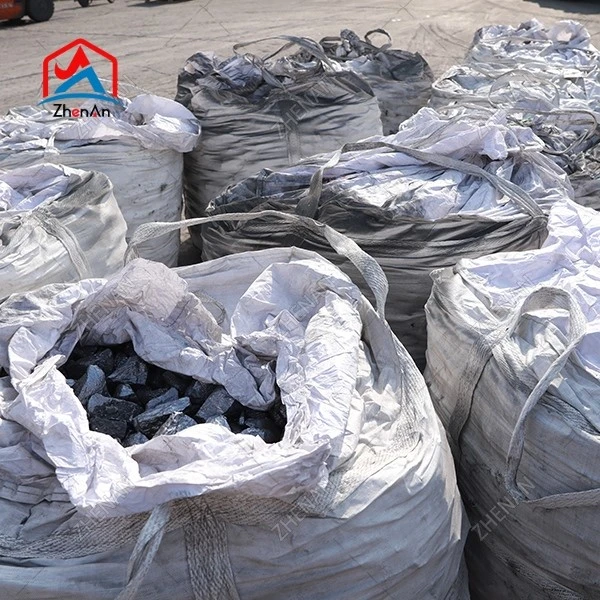
Silicon Metal 553 is commonly supplied in lump form.
Typical sizes include:
| Product Form | Size |
|---|---|
| Lump Silicon | 10–50 mm |
| Large Lump | 50–100 mm |
| Customized Size | Available upon request |
Particle Size Options
Depending on production requirements, Silicon Metal 553 can also be supplied as:
crushed silicon;
granular silicon;
silicon powder.
Particle size selection depends on:
furnace requirements;
alloy production process;
feeding system.
Applications of Silicon Metal 553
Silicon Metal 553 in Metallurgical Industry
Metallurgy is one of the largest application fields for Silicon Metal 553.
It is used for:
alloy production;
silicon adjustment;
metal processing.
Advantages:
stable composition;
suitable for large-scale production;
easy industrial application.
Silicon Metal 553 for Aluminum Alloy Production
Silicon is an important alloying element in aluminum alloys.
Silicon Metal 553 is commonly used in:
aluminum-silicon alloys;
casting alloys;
automotive aluminum materials;
industrial aluminum components.
Silicon helps improve:
casting performance;
fluidity of molten aluminum;
alloy structure.
Silicon Metal 553 in Foundry Applications
In foundry production, Silicon Metal 553 is used because of:
stable chemical composition;
reliable supply;
compatibility with aluminum alloy systems.
Common applications include:
aluminum casting;
alloy manufacturing;
industrial metal components.
Packaging and Shipment
Standard Packaging
Silicon Metal 553 is commonly packed in:
jumbo bags;
big bags;
pallets;
customized packaging.
Quality Documents
Typical supply documents include:
Certificate of Analysis (COA);
chemical composition report;
product specification;
packing list.
Silicon Metal 553 vs 441 Comparison
Choosing between Silicon Metal 553 and 441 depends on application requirements.
| Item | Silicon Metal 553 | Silicon Metal 441 |
|---|---|---|
| Grade Level | Standard industrial grade | Higher controlled grade |
| Silicon Content | Industrial level | Higher purity level |
| Impurity Control | Standard | More strict |
| Main Applications | Metallurgy, aluminum alloys | Aluminum alloys, casting |
| Cost Level | More economical | Higher |
| Typical Buyers | General alloy producers | Quality-focused alloy manufacturers |
Key Difference Between 553 and 441
Silicon Metal 553
widely used industrial grade;
suitable for standard aluminum alloy production;
cost-effective choice.
Silicon Metal 441
tighter impurity control;
preferred for applications requiring more stable alloy performance.
How to Select Silicon Metal 553?
Before purchasing, buyers should confirm:
1. Application
Determine whether the material is used for:
aluminum alloys;
metallurgy;
casting production.
2. Chemical Requirements
Confirm:
Si content;
Fe limit;
Al limit;
Ca limit.
3. Size Requirements
Specify:
lump size;
particle size;
customized requirements.
Quality Control of Silicon Metal 553
Before shipment, the product is checked for:
chemical composition;
physical size;
appearance;
packaging condition.
Quality control helps ensure stable performance during production.
Frequently Asked Questions (FAQ)
1. What is silicon metal 553 grade?
Silicon Metal 553 is an industrial silicon grade widely used in metallurgy and aluminum alloy production.
2. What is the silicon content of 553 silicon metal?
Silicon Metal 553 typically contains around 98.5% silicon or above, with controlled impurity levels.
3. What are the impurities in silicon metal 553?
The main controlled impurities are:
iron (Fe);
aluminum (Al);
calcium (Ca).
4. What industries use 553 silicon metal?
Main applications include:
aluminum alloy manufacturing;
metallurgy;
foundry industry.
5. Is 553 silicon metal suitable for aluminum alloy production?
Yes. Silicon Metal 553 is widely used as a silicon source for aluminum-silicon alloy production.
6. What particle sizes are available for 553 silicon metal?
Common sizes include:
10–50 mm;
50–100 mm;
customized sizes.
7. What is the difference between 553 and 441 silicon metal?
The main difference is impurity control.
441 generally has stricter composition requirements, while 553 is a standard industrial grade with broader applications.
8. How is silicon metal 553 packaged?
Silicon Metal 553 is usually packed in:
jumbo bags;
big bags;
pallets;
customized packages.
Conclusion
Silicon Metal 553 Grade is a widely used industrial silicon material with a good balance between performance and cost.
Its main advantages include:
stable chemical composition;
broad industrial applications;
suitability for aluminum alloys;
flexible size and packaging options.
For buyers selecting silicon metal, understanding grade differences and application requirements is essential for choosing the right material.

Request Silicon Metal 553 Technical Information
If you need Silicon Metal 553 Grade for aluminum alloys, metallurgy, or foundry applications, our team can provide:
chemical composition;
Certificate of Analysis (COA);
product specifications;
packaging details;
supply information.
Email: sales@zanewmetal.com
WhatsApp: +86 15518824805