


Why Calcium Carbide Powdering Becomes a Problem in Acetylene-Based Systems
In Indonesian chemical processing plants that rely on acetylene generation from Calcium Carbide (CaC₂), material particle integrity is a critical operational parameter. Excessive calcium carbide powdering (fines generation) occurs when CaC₂ breaks down into fine particles during transport, handling, or storage.
While it may seem like a minor physical quality issue, high powder content significantly affects hydrolysis behavior in acetylene generators. Instead of controlled surface reaction on uniform lumps, fines react too quickly and unevenly with water, leading to incomplete reaction zones, excessive sludge formation, and unstable gas evolution.
👉 ZhenAn supplies low-powder Calcium Carbide designed to reduce hydrolysis residue and stabilize acetylene generation systems.
📩 Email: sales@zanewmetal.com | WhatsApp: +86 15518824805
How Excessive Calcium Carbide Powdering Increases Hydrolysis Residue
The hydrolysis reaction of Calcium Carbide is surface-dependent:
CaC₂ + H₂O → C₂H₂ + Ca(OH)₂
When carbide is in lump form, the reaction occurs gradually and uniformly. However, excessive fines increase total surface area dramatically, causing rapid localized reactions.
This leads to three key residue-related problems:
First, rapid reaction of fines produces fine calcium hydroxide particles that do not fully separate from slurry systems, increasing sludge accumulation in generators. Second, uneven reaction zones create partially reacted carbide residues, which settle at the bottom of reaction tanks. Third, high fines content disrupts water-to-solid ratio control, making slurry consistency unstable.
In Indonesian chemical plants, where continuous acetylene supply is required for downstream synthesis processes, this instability increases maintenance frequency and residue disposal costs.
Why Carbide Fines Cause Sludge Accumulation in Industrial Generators
In acetylene generators, solid-liquid separation efficiency is essential for stable operation. Calcium hydroxide (Ca(OH)₂) produced during hydrolysis should be properly discharged as slurry.
However, excessive fines change reaction dynamics. Instead of forming well-separated slag-like residues, fines create dense, sticky slurry that settles unevenly inside reaction chambers.
This leads to sludge accumulation in key areas such as bottom discharge systems, pipelines, and filtration units. Over time, this buildup reduces effective reactor volume and increases cleaning shutdown frequency.
For Indonesian plants operating under high utilization rates, this directly reduces production efficiency and increases operational downtime.
Why Low-Powder Calcium Carbide Improves Acetylene Production Stability
Low-powder Calcium Carbide ensures that hydrolysis occurs in a controlled and predictable manner. Uniform particle size distribution allows consistent gas evolution rates and stable heat release during reaction.
In continuous acetylene production systems, this stability is essential because generator performance directly affects downstream processes such as VCM synthesis and chemical intermediate production.
By reducing fines content, plants can achieve:
More stable acetylene pressure curves
Lower sludge formation rate
Reduced pipeline blockage risk
More predictable reaction residue behavior
👉 ZhenAn provides screened and graded Calcium Carbide optimized for low powder generation in industrial acetylene systems.
📩 Contact: sales@zanewmetal.com | WhatsApp: +86 15518824805
Technical Specifications of Low-Powder Calcium Carbide
| Item | Specification |
|---|---|
| Chemical Formula | CaC₂ |
| CaC₂ Content | 70% – 80% |
| Gas Yield | 280 – 300 L/kg |
| Powder Content (Fines <5mm) | ≤ 5% |
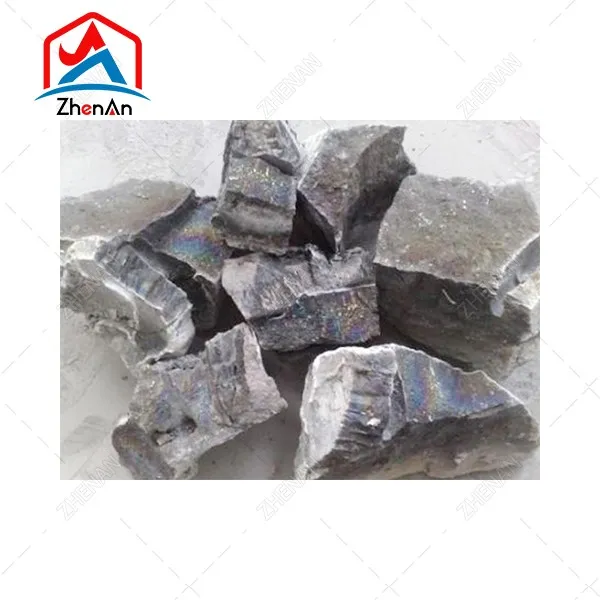
| Physical Form | Lumps (10–80mm) |
| Reaction Type | Controlled hydrolysis |
| Moisture Content | ≤ 1.5% |
| Application | Acetylene generation systems |
ZhenAn uses mechanical screening and controlled crushing processes to minimize fines generation before packaging.
Where Powder Control Matters in Indonesian Chemical Processing Plants
In Indonesia, Calcium Carbide is widely used in acetylene-based chemical production systems supporting PVC, welding gas, and organic synthesis industries. In these systems, carbide is fed into hydrolysis generators where gas output must remain stable for downstream chemical reactions.
Powdering becomes particularly problematic during:
Long-distance maritime transport to humid ports
Manual unloading and handling operations
Bulk storage in high-humidity environments
Continuous feeding into acetylene generators
In all these stages, fines can accumulate or react prematurely, creating unstable slurry conditions and increasing residue buildup inside reactor systems.
For plants operating continuous production cycles, even small increases in residue formation can significantly increase cleaning frequency and reduce effective operating hours.
Low-Powder Calcium Carbide vs High-Fines Material (Procurement Comparison)
In procurement practice, Indonesian chemical plants often compare screened low-fines Calcium Carbide with standard unscreened industrial grades.
Standard grades may contain higher fines content due to crushing and transport handling, which increases reaction instability and residue formation in generators.
Low-powder grades, however, are processed through additional screening and classification to ensure uniform particle distribution and stable hydrolysis behavior.
| Parameter | Low-Powder CaC₂ | High-Fines CaC₂ |
|---|---|---|
| Reaction Stability | High | Low |
| Sludge Formation | Reduced | High |
| Generator Cleaning Frequency | Lower | Higher |
| Pipeline Blockage Risk | Low | Higher |
| Acetylene Output Stability | Stable | Fluctuating |
Product Delivery, Packaging, and Logistics
Calcium Carbide is highly reactive with moisture, so packaging and particle integrity must be preserved throughout transportation.
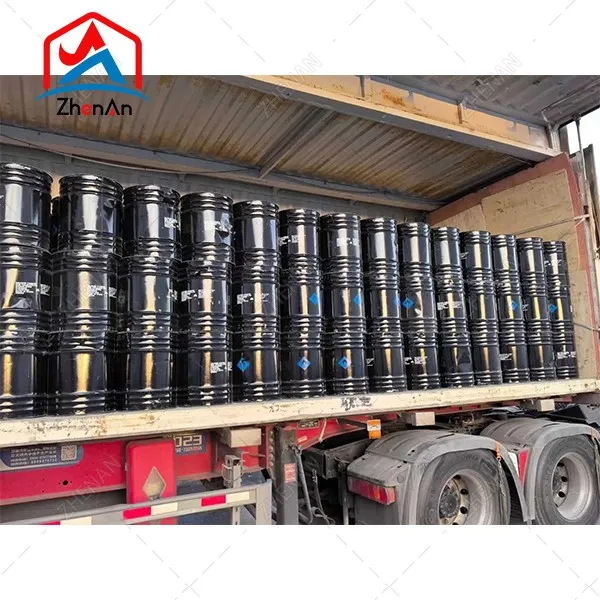
ZhenAn supplies low-powder Calcium Carbide in sealed steel drums or reinforced iron drums with internal protective liners. These containers are designed to minimize both moisture ingress and mechanical breakage during shipping.
Standard packaging includes 50kg and 100kg drums suitable for industrial acetylene systems. Bulk packaging options are available for large-scale chemical plants in Indonesia.
All shipments are handled under dry cargo conditions, including humidity-controlled container loading and sealed port handling procedures. Each batch includes COA, MSDS, and particle size distribution analysis to ensure traceability.
FAQ
Q1: How does excessive calcium carbide powdering increase hydrolysis residue?
Because fines react too quickly and produce unstable calcium hydroxide slurry that accumulates as residue.
Q2: Why do calcium carbide fines cause sludge accumulation in acetylene generators?
They create uneven reaction zones that form dense, hard-to-discharge slurry deposits.
Q3: Can excessive carbide dust reduce acetylene generation efficiency?
Yes, it disrupts controlled hydrolysis and reduces effective gas output stability.
Q4: How does powder content affect reactor cleaning frequency?
Higher fines increase sludge buildup, requiring more frequent shutdowns for cleaning.
Q5: What problems can calcium carbide fines cause in pipeline systems?
They can cause blockages and inconsistent slurry flow in discharge pipelines.
Q6: Why is low-powder calcium carbide preferred in Indonesia?
Because it improves stability in humid, continuous production environments.
Q7: How can proper calcium carbide sizing reduce residue disposal costs?
Uniform particle size reduces sludge formation and lowers waste handling volume.
Q8: Does carbide powdering affect continuous acetylene production stability?
Yes, it causes irregular gas evolution and unstable generator performance.
Why Indonesian Chemical Plants Choose ZhenAn Calcium Carbide
ZhenAn focuses on supplying low-powder Calcium Carbide engineered for stable acetylene generation systems. Our screening and grading process reduces fines content, ensuring predictable hydrolysis behavior and lower residue formation in industrial reactors.
We help chemical plants reduce maintenance frequency, improve generator efficiency, and stabilize continuous acetylene output under demanding operating conditions.
📩 Email: sales@zanewmetal.com
📱 WhatsApp: +86 15518824805
Talk to Our Industrial Supply Team
If your acetylene system is experiencing sludge buildup, pipeline blockage, or unstable gas output caused by carbide fines, ZhenAn can provide optimized low-powder Calcium Carbide tailored for Indonesian chemical processing environments.
👉 Send inquiry: sales@zanewmetal.com
👉 WhatsApp: +86 15518824805
Visit https://www.ferro-vanadium.com/to learn more about the product. If you would like to learn more about the product price or are interested in purchasing, please email sales@zanewmetal.com. We will get back to you as soon as we see your message.