


Understanding the Global Ferrovanadium Supply Chain
The global ferrovanadium supply chain is a complex network involving vanadium resource extraction, vanadium oxide production, ferrovanadium manufacturing, international trading, and final steel applications.
Unlike common ferroalloys such as ferrosilicon or silicomanganese, ferrovanadium depends heavily on the availability of vanadium resources. Since vanadium is relatively rare and production is concentrated in several countries, supply stability has become an important consideration for steel producers worldwide.
The complete supply chain generally includes:
Vanadium Resources → Vanadium Oxide → Ferrovanadium Production → Steel Manufacturing → End-use Industries
The upstream and downstream connection directly influences:
Ferrovanadium price
- Supply availability
- Product quality consistency
- Delivery reliability
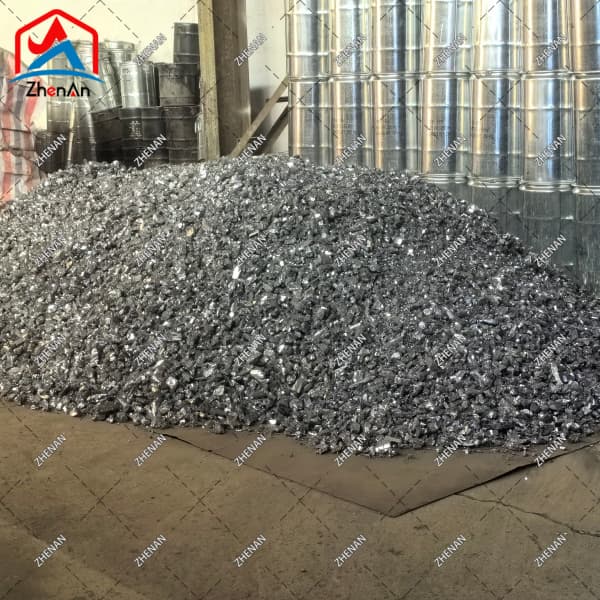
1. Upstream Raw Materials for Ferrovanadium Production
The main raw material for producing ferrovanadium alloy is vanadium pentoxide (V₂O₅).
Other vanadium sources include:
- Vanadium titanomagnetite ore
- Steelmaking slag
- Petroleum refinery catalysts
- Industrial vanadium residues
Vanadium Pentoxide (V₂O₅)
Vanadium pentoxide is the most important intermediate material in the ferrovanadium industry.
The typical production route is:
Vanadium-bearing materials → Vanadium oxide → Ferrovanadium
Advantages of using V₂O₅:
- Stable chemical composition
- Better impurity control
- Higher production consistency
For manufacturers producing FeV80 ferrovanadium, high-purity vanadium pentoxide is especially important because premium steel applications require strict control of:
- Aluminum
- Silicon
- Carbon
- Sulfur
- Phosphorus
2. Major Ferrovanadium Producing Countries
The global ferrovanadium market is mainly supplied by countries with significant vanadium resources or mature ferroalloy industries.
The major producing regions include:
- China
- South Africa
- Europe
- United States
China Ferrovanadium Industry
China is one of the world's largest producers of vanadium products, including:
- Vanadium pentoxide
- Ferrovanadium
- Vanadium nitrogen alloy
China's advantages include:
Large Vanadium Resource Base
China has abundant vanadium-bearing titanomagnetite resources, especially in regions with integrated steel production.
Integrated Production System
Many Chinese producers have developed complete industrial chains:
Vanadium ore → Vanadium slag → V₂O₅ → Ferrovanadium
This integration helps reduce:
- Raw material transportation costs
- Supply risks
- Production delays
Export Capability
Chinese ferrovanadium suppliers serve markets including:
- United States
- Europe
- Southeast Asia
- Middle East
- South America
For international buyers, China remains one of the most important sources of ferrovanadium supply.
South Africa Vanadium Industry
South Africa is another important participant in global vanadium production.
The country has:
- Significant vanadium-bearing mineral resources
- Established mining infrastructure
- Experience in vanadium chemical production
South African producers are particularly important for global diversification because they provide an alternative supply source outside Asia.
United States Ferrovanadium Supply
The United States has historically relied partly on imported ferrovanadium.
US steel producers usually evaluate suppliers based on:
- Product quality
- Supply security
- Logistics capability
- Compliance documentation
Important considerations include:
- Stable shipment schedules
- Reliable customs clearance
- Traceable material origin
Domestic and international suppliers both play roles in meeting US ferrovanadium demand.
Ferrovanadium Demand Structure
The largest application of ferrovanadium remains the steel industry.
Approximately most vanadium consumption is related to:
- HSLA steel
- Construction steel
- Automotive steel
- Pipeline steel
- Tool steel
1. Automotive Industry Demand
The automotive sector is one of the most important growth areas for vanadium microalloyed steel.
Modern vehicles require:
- Higher strength
- Lower weight
- Better safety performance
Ferrovanadium helps automakers produce lightweight high-strength components while maintaining durability.
Applications include:
- Chassis components
- Suspension parts
- Safety structures
- High-strength fasteners
2. Construction and Infrastructure Steel
Infrastructure projects increasingly require steel with:
- Higher load capacity
- Longer service life
- Better fatigue resistance
Vanadium-containing HSLA steel is widely used in:
- Bridges
- Buildings
- Railway infrastructure
- Offshore structures
The ability to reduce steel weight while maintaining strength creates economic and environmental advantages.
3. Oil and Gas Pipeline Applications
Pipeline steel requires excellent:
- Strength
- Toughness
- Weldability
Ferrovanadium alloying helps produce advanced pipeline materials capable of operating under:
- High pressure
- Low temperatures
- Severe environments
Future Demand: Vanadium Redox Flow Batteries (VRFB)
While steel remains the largest consumer of vanadium, vanadium redox flow battery (VRFB) technology has created new demand expectations.
VRFB systems are large-scale energy storage technologies designed for renewable energy applications.
Why VRFB Uses Vanadium
Vanadium has a unique advantage:
The same element can exist in multiple oxidation states, allowing reversible charging and discharging.
Benefits include:
- Long cycle life
- High safety
- Large storage capacity
- Easy scalability
Impact on Ferrovanadium Supply
Although battery-grade vanadium demand is different from ferrovanadium demand, both industries compete for the same upstream vanadium resources.
Growing VRFB adoption may influence:
- Vanadium oxide prices
- Raw material availability
- Long-term investment in vanadium production
Recycling: An Important Future Supply Source
Because vanadium resources are limited, recycling has become increasingly important.
Major recycling sources include:
Spent Petroleum Catalysts
Oil refinery catalysts often contain recoverable vanadium.
The recycling process can produce:
- Vanadium chemicals
- Vanadium oxide
- Ferrovanadium raw materials
Steelmaking Slag Recycling
Vanadium-bearing steel slags can be processed to recover valuable vanadium.
Benefits include:
- Lower mining dependence
- Reduced waste
- Improved resource efficiency
Key Factors Affecting Ferrovanadium Prices
International buyers should monitor several market factors:
1. Vanadium Pentoxide Price
The cost of V₂O₅ directly affects ferrovanadium production costs.
2. Steel Production Growth
Higher steel output generally increases demand for:
- Ferrovanadium
- Vanadium nitride
- Other microalloying materials
3. Energy Costs
Electric furnace production is energy-intensive.
Changes in:
- Electricity prices
- Transportation costs
- Raw material costs
can influence ferrovanadium quotations.
4. Environmental Regulations
Stricter environmental policies may affect production capacity.
Factors include:
- Carbon reduction policies
- Mining restrictions
- Industrial emission standards
How International Buyers Choose a Ferrovanadium Supplier
Professional buyers usually evaluate suppliers based on more than price.
Important criteria include:
Product Quality
Check:
- Vanadium percentage
- Carbon content
- Silicon content
- Aluminum content
- Batch consistency
Supply Capability
Reliable suppliers should provide:
- Stable production capacity
- Export experience
- Flexible shipment options
Documentation
Common requirements:
- COA
- SDS/MSDS
- Inspection certificate
- Packing list
- Certificate of origin
Conclusion: The Future of Ferrovanadium Market
The future of the ferrovanadium industry will continue to be shaped by two major trends:
1.Growing demand for high-strength lightweight steel
2.Increasing interest in vanadium-based energy storage systems
For steel producers, ferrovanadium remains an essential alloy additive that improves material performance.
For global buyers, selecting a reliable ferrovanadium supplier with stable quality, transparent sourcing, and technical support is becoming increasingly important.