


What Is Ferro Silicon (FeSi)?
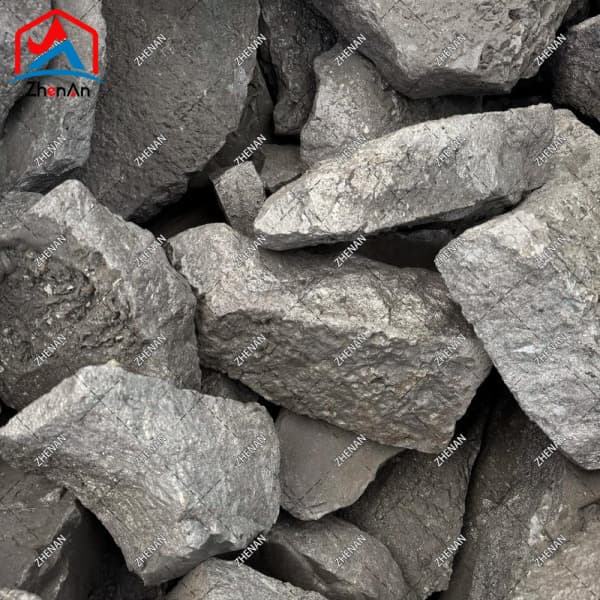
Ferro Silicon (FeSi), also known as Ferrosilicon, is one of the world's most important ferroalloys used in modern metallurgy. Produced by combining silicon and iron at high temperatures inside a submerged electric arc furnace, it serves as an efficient deoxidizer, alloying additive, and reducing agent for steelmaking and foundry applications. Because silicon has a strong affinity for oxygen, Ferro Silicon effectively removes dissolved oxygen from molten steel, improves steel cleanliness, enhances mechanical properties, and increases production efficiency. Today, Ferrosilicon is widely used in carbon steel, alloy steel, stainless steel, cast iron, ductile iron, welding electrode manufacturing, magnesium production, and many other metallurgical processes.
Commercial Ferro Silicon is available in several grades, including FeSi75, FeSi72, and FeSi70, each designed for different metallurgical requirements. Manufacturers can also produce low aluminum ferro silicon, low carbon ferro silicon, and customized chemical compositions according to customer specifications. Owing to its excellent performance, stable quality, and cost-effectiveness, Ferro Silicon has become an indispensable raw material for steel plants, foundries, and alloy manufacturers around the world.
Why Is Ferro Silicon So Important in Modern Metallurgy?
The importance of Ferro Silicon goes far beyond supplying silicon to steel. During steelmaking, molten steel naturally absorbs oxygen from raw materials, slag, and the surrounding atmosphere. Excess oxygen reacts with alloying elements, forms oxide inclusions, reduces steel quality, and negatively affects casting performance. Adding Ferrosilicon removes dissolved oxygen quickly, producing stable silicon oxides that separate from the molten steel and float into the slag. This process significantly improves steel cleanliness and helps manufacturers produce higher-quality steel products with fewer internal defects.
In addition to deoxidation, Ferro Silicon contributes silicon as an alloying element. Silicon increases strength, hardness, elasticity, oxidation resistance, and magnetic properties while maintaining relatively low production costs. For this reason, Ferrosilicon is widely used in structural steel, spring steel, electrical steel, transformer steel, bearing steel, high-strength low-alloy steel, and many specialty alloys. Without Ferro Silicon, modern steel production would face lower productivity, higher defect rates, and increased manufacturing costs.

What Is Ferro Silicon Made Of?

Although Ferro Silicon appears to be a simple binary alloy of iron and silicon, its overall performance depends heavily on the purity of raw materials and the control of impurity elements. Industrial Ferrosilicon mainly consists of silicon (Si) and iron (Fe), while small amounts of aluminum (Al), calcium (Ca), carbon (C), phosphorus (P), and sulfur (S) are present depending on the production process and raw material quality.
Different industries require different impurity limits. Steel producers manufacturing high-quality alloy steels generally prefer low aluminum ferro silicon because excessive aluminum may increase alumina inclusions and affect steel cleanliness. Likewise, lower phosphorus and sulfur contents are essential for applications requiring superior toughness, weldability, and fatigue resistance. As a result, many professional Ferro Silicon manufacturers invest heavily in raw material selection, furnace control, and quality inspection to ensure every batch meets international standards and customer specifications.
How Is Ferro Silicon Manufactured?
Modern Ferro Silicon production is based on a high-temperature reduction process carried out in a Submerged Arc Furnace (SAF). Although the basic principle has remained unchanged for decades, today's leading Ferro Silicon manufacturers rely on advanced furnace control systems, carefully selected raw materials, and strict quality management to ensure stable chemical composition and consistent metallurgical performance.
Unlike many conventional metal products, Ferrosilicon is not simply melted from iron and silicon. Instead, silicon is extracted from quartz (SiO₂) through a carbothermic reduction reaction. The molten silicon then combines with molten iron inside the furnace to form the final Ferro Silicon alloy. This process requires temperatures exceeding 2,000°C, making it one of the most energy-intensive operations in the ferroalloy industry.
The manufacturing process generally includes raw material preparation, furnace charging, high-temperature smelting, tapping, cooling, crushing, screening, quality inspection, and packaging. Every production stage influences the final silicon content, impurity levels, particle size, and overall product quality.
Raw Materials Used in Ferro Silicon Production
The quality of Ferro Silicon begins with the quality of its raw materials. High-performance Ferrosilicon can only be produced when each input material meets strict chemical and physical requirements.
The primary raw materials include:
- Quartz – the main source of silicon. High-purity quartz produces higher-quality Ferro Silicon with fewer impurities.
- Coke – provides carbon for reducing silicon dioxide into elemental silicon.
- Coal – serves as an additional reducing agent and helps optimize furnace operation.
- Charcoal – improves furnace permeability and contributes to stable reduction reactions.
- Steel Scrap – supplies the iron required to form the FeSi alloy.
Many premium Ferro Silicon suppliers carefully control the ash content, moisture, particle size, and impurity levels of these raw materials because even small variations may affect furnace efficiency and the final alloy composition.
The Smelting Process of Ferrosilicon
During smelting, electric current passes through carbon electrodes into the furnace charge, generating extremely high temperatures. As the temperature rises, silicon dioxide (SiO₂) reacts with carbon to produce elemental silicon and carbon monoxide gas.
The simplified reaction can be expressed as:
SiO₂ + 2C → Si + 2CO
The newly formed silicon immediately dissolves into molten iron, producing Ferro Silicon with the desired silicon concentration. Depending on customer requirements, manufacturers adjust furnace conditions and raw material ratios to produce FeSi75, FeSi72, FeSi70, or customized grades.
Modern production facilities continuously monitor furnace temperature, electrical load, raw material feed rate, and chemical composition. These controls help improve energy efficiency, increase silicon recovery, and reduce production costs while maintaining stable product quality.

Quality Control of Ferro Silicon
Consistent quality is essential for every Ferro Silicon supplier. Steelmakers require each shipment to have predictable chemical composition and metallurgical performance because even minor variations can affect steel quality and production efficiency.
Quality control normally covers:
- Chemical composition analysis
- Silicon content verification
- Carbon, phosphorus, sulfur, aluminum, and calcium testing
- Particle size inspection
- Moisture measurement
- Visual appearance inspection
- Mechanical strength evaluation
- Packaging verification
Many manufacturers also use spectrometers, X-ray fluorescence analyzers, and laboratory testing equipment to ensure every batch complies with international standards before shipment.
Physical and Chemical Properties of Ferro Silicon
The outstanding performance of Ferro Silicon is closely related to its physical and chemical characteristics. It has excellent thermal stability, high resistance to oxidation, and strong affinity for oxygen, making it one of the most effective steelmaking deoxidizers available today.
Typical properties include:
- Silver-gray metallic appearance
- High melting temperature
- Excellent chemical stability
- High hardness
- Strong oxidation resistance
- Good thermal conductivity
- Excellent deoxidation capability
- Stable alloying performance
Because of these characteristics, Ferrosilicon performs reliably under the demanding conditions of steelmaking, foundry production, and other high-temperature metallurgical processes.