


Why Moisture Protection of Calcium Carbide Is Critical in Egypt's PVC Industry
In Egypt's rapidly expanding PVC building materials sector-driven by construction, infrastructure, and housing development-Calcium Carbide (CaC₂) is widely used as the primary raw material for acetylene generation in PVC and VCM production.
Because Calcium Carbide reacts violently with water, moisture protection is not only a quality issue but also a direct safety requirement during storage and transportation. In humid coastal regions, port terminals, and long-distance shipping routes to Egypt, even small amounts of water exposure can trigger premature hydrolysis reactions, releasing acetylene gas in uncontrolled environments.
This creates both operational instability and serious safety risks in logistics chains and warehouse storage systems.
👉 ZhenAn supplies moisture-protected Calcium Carbide designed for safe storage, transport, and industrial acetylene production systems.
📩 Email: sales@zanewmetal.com | WhatsApp: +86 15518824805
How Moisture Exposure Affects Calcium Carbide Storage Safety
Calcium Carbide reacts with water according to a highly exothermic reaction:
CaC₂ + H₂O → C₂H₂ + Ca(OH)₂
When moisture enters storage containers, this reaction can begin inside sealed drums or bulk packaging. The result is internal acetylene gas generation, pressure buildup, and heat release.
In enclosed storage environments, this can lead to:
Gas accumulation inside drums or containers
Internal pressure increase and container deformation
Risk of ignition if acetylene accumulates with air leakage
Localized heating that accelerates further reaction
In industrial logistics, this makes moisture control a primary safety parameter, especially for export shipments to regions like Egypt where temperature and humidity fluctuations are significant.
Why Calcium Carbide Must Be Protected from Humidity During Transportation
During international shipping to Egypt, Calcium Carbide is exposed to multiple moisture risk points: port handling, container loading, marine humidity, and warehouse storage conditions.
Because CaC₂ is highly hygroscopic, even atmospheric moisture can gradually penetrate poorly sealed packaging. Once exposure begins, partial reaction starts immediately, reducing effective gas yield and increasing safety hazards.
This is particularly important in PVC production supply chains, where Calcium Carbide is transported in bulk quantities. Any uncontrolled reaction during transit can create both safety incidents and product quality degradation upon arrival.
👉 ZhenAn uses multi-layer moisture-proof packaging systems to ensure safe transport of Calcium Carbide to high-humidity regions like Egypt.
📩 Contact: sales@zanewmetal.com | WhatsApp: +86 15518824805
Can Wet Calcium Carbide Generate Dangerous Acetylene Gas During Storage?
Yes. Wet Calcium Carbide can generate acetylene gas even in storage conditions, without controlled reaction systems.
When moisture enters packaging, hydrolysis begins immediately, producing acetylene gas inside sealed spaces. Because acetylene is highly flammable and explosive under certain concentration ranges, this creates a significant hazard if gas accumulates in confined storage areas.
The risk increases when:
Drums are not properly sealed
Storage areas have poor ventilation
Ambient humidity is high
Temperature accelerates reaction speed
For industrial users in Egypt's PVC sector, this means storage safety depends heavily on both packaging integrity and warehouse environmental control.
What Packaging Methods Prevent Calcium Carbide Moisture Absorption?
To ensure safe transportation and storage, Calcium Carbide must be protected using multi-layer sealing and moisture-blocking packaging systems.
Typical industrial packaging includes sealed steel drums with internal liners, which prevent both liquid water ingress and vapor penetration. In export logistics, drums are further protected with outer sealing and container desiccant systems to reduce humidity exposure during sea transport.
For large PVC producers, bulk packaging must also ensure airtight feeding and controlled discharge systems to minimize exposure during handling.
Proper packaging directly reduces:
Moisture-triggered gas generation
Container pressure buildup
Product degradation during transport
Safety risks in storage facilities
What Happens When Calcium Carbide Is Improperly Stored?
Improper storage of Calcium Carbide significantly increases both operational and safety risks. When exposed to moisture, it begins uncontrolled hydrolysis, producing acetylene gas and heat inside storage systems.
This can lead to:
Internal pressure accumulation in containers
Risk of rupture or leakage
Fire hazards if acetylene contacts ignition sources
Reduced gas yield efficiency for industrial use
In PVC manufacturing supply chains, this also reduces effective raw material quality before it even enters production systems, increasing operational instability.
Why Waterproof Packaging Is Essential for Calcium Carbide Exports to Egypt
Egypt's climate conditions, combined with long-distance maritime logistics, make waterproof packaging essential for Calcium Carbide exports.
High ambient humidity at ports, temperature variation during shipping, and extended storage time before plant usage all increase the risk of moisture exposure.
Waterproof packaging ensures that:
Chemical reactivity is preserved until controlled use
Gas yield performance remains stable
Safety risks during transport are minimized
Product quality is maintained upon arrival
This is especially important for PVC producers relying on continuous acetylene generation systems.
Recommended Warehouse Conditions for Calcium Carbide Storage
For safe storage in Egypt's PVC production supply chain, Calcium Carbide should be stored under strictly controlled conditions:
Dry, low-humidity warehouses
Sealed and ventilated storage zones
No direct exposure to water or condensation
Temperature control to avoid condensation cycles
Separation from oxidizing agents or ignition sources
Proper storage design significantly reduces accidental hydrolysis risk and improves long-term material stability.
Moisture-Protected Calcium Carbide vs Standard Packaging
In procurement evaluation, PVC producers distinguish between standard packaging and moisture-protected systems.
Standard packaging may provide basic containment but lacks advanced moisture barrier protection, increasing risk during long transport cycles. Moisture-protected systems provide multi-layer sealing and environmental resistance.
| Parameter | Moisture-Protected CaC₂ | Standard Packaging CaC₂ |
|---|---|---|
| Moisture Resistance | High | Low–Medium |
| Storage Safety | Strong | Risk-prone |
| Transport Stability | Reliable | Variable |
| Acetylene Loss Risk | Low | Higher |
| Suitability for Export | High | Limited |
Technical Specifications of Calcium Carbide for Safe Export
| Item | Specification |
|---|---|
| Chemical Formula | CaC₂ |
| CaC₂ Content | 70% – 80% |
| Gas Yield | 280 – 300 L/kg |
| Moisture Content | ≤ 1.5% |
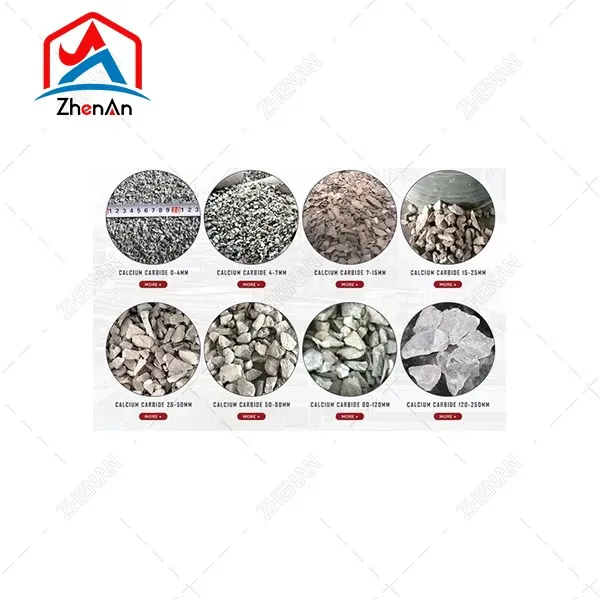
| Physical Form | Lumps (10–80mm) |
| Packaging Type | Sealed steel drums / waterproof containers |
| Application | PVC / VCM acetylene generation |
ZhenAn integrates moisture control from production, packaging, and export logistics stages.
FAQ
Q1: How does moisture exposure affect calcium carbide storage safety?
It triggers acetylene generation and increases pressure and fire risk inside containers.
Q2: Why must calcium carbide be protected from humidity during transportation?
Because it reacts with moisture and can degrade or become hazardous during transit.
Q3: Can wet calcium carbide generate dangerous acetylene gas during storage?
Yes, it produces flammable acetylene gas in uncontrolled environments.
Q4: What packaging methods help prevent moisture absorption?
Sealed steel drums with inner liners and waterproof export containers.
Q5: How does improper storage increase fire and explosion risks?
It allows uncontrolled acetylene buildup and heat generation.
Q6: Why is waterproof packaging important for exports to Egypt?
Due to high humidity, long shipping routes, and temperature variation.
Q7: What warehouse conditions are recommended?
Dry, ventilated, low-humidity, and isolated from water sources.
Q8: How does moisture protection improve transportation safety?
It prevents premature reaction and gas buildup during logistics.
Why Egyptian PVC Producers Choose ZhenAn Calcium Carbide
ZhenAn focuses on delivering moisture-protected Calcium Carbide engineered for safe transport and stable industrial acetylene generation. Our packaging systems and quality control processes ensure reduced risk during storage and logistics in high-humidity export environments.
We help PVC manufacturers maintain operational safety, improve material stability, and ensure consistent production performance.
📩 Email: sales@zanewmetal.com
📱 WhatsApp: +86 15518824805
Talk to Our Export Safety Team
If your PVC supply chain requires safer Calcium Carbide storage, transport stability, or moisture-resistant packaging solutions, ZhenAn can provide customized export-grade systems for Egyptian industrial conditions.
👉 Send inquiry: sales@zanewmetal.com
👉 WhatsApp: +86 15518824805
Visit https://www.ferro-vanadium.com/to learn more about the product. If you would like to learn more about the product price or are interested in purchasing, please email sales@zanewmetal.com. We will get back to you as soon as we see your message.